Search Results
2323 results for “inflammation”
Can Dogs Eat Raw Eggs? Stop Following the Trend Blindly
Raw eggs are best avoided: shells and yolks can carry Salmonella, Toxoplasma, and roundworms (diarrhea, appetite loss, weight loss; toxoplasma can deform or abort puppies), and raw egg white contains avidin that binds biotin and hurts skin, coat, and nerves. If you must, use sushi-grade eggs and start with a quarter. Also keep chocolate, grapes, onion, alcohol, xylitol, caffeine, salty/sugary food, dairy, and bones off the menu.
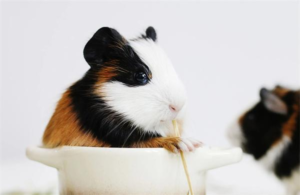
Common Guinea Pig Diseases and Their Symptoms
Guinea pigs commonly suffer digestive troubles (diarrhea, constipation, gut parasites), respiratory infections (pneumonia, bronchitis), skin disease from bacteria, fungus, or external parasites, and urinary issues (cystitis, nephritis). Good diet, clean housing, checkups, and prevention keep them healthy.
The Hidden Cost of Ignoring Your Dog’s Tartar
Tartar causes more than bad breath — it harbors bacteria that trigger gingivitis and periodontitis, erode the alveolar bone, and loosen teeth. Bacteria entering the bloodstream via gum wounds can cause sepsis, nephritis, or myocarditis, shortening a dog's life by 2–3 years. Treat with professional cleaning (and extraction if severe), and prevent daily with brushing, dental wipes/gel, and chews.
Why Is Your Dog Scooting (Dragging Its Bottom) on the Floor?
A dog dragging its bottom usually means anal itching or pain — most often impacted or infected anal glands, intestinal parasites (tapeworms), perianal skin infection, or allergies. Signs like frequent licking, straining to defecate, or a red swollen anus point to anal-gland disease (express and apply an antibiotic ointment). White rice-like segments mean tapeworms (use a praziquantel dewormer). Rule out health causes before blaming boredom or anxiety.
What causes canine encephalitis?
Canine encephalitis is inflammation inside the brain, often from an untreated head injury leading to meningitis, or from ingesting nerve-damaging substances or mycoplasma infection. Symptoms include lethargy, poor appetite, fever, unsteady gait, and in severe cases seizures or stiffness.
What eye drops for inflamed cat eyes?
The right eye drop depends on the cause. Ordinary conjunctivitis responds to levofloxacin or neomycin drops; keratitis or ulcers need cornea-repair drops. See a vet for a precise diagnosis.
Dog Farts a Lot and They Stink? It May Be a Gut Problem
Occasional gas is normal (10–15 times a day), but frequent, foul gas points to poor digestion, fast eating, or gut-flora imbalance. Choose an easy-to-digest food with fresh meat and no grains or legumes, feed on a schedule, use a slow-feeder bowl, and add a pet probiotic. If gas comes with vomiting, diarrhea, a hard swollen belly, or pain, it could be pancreatitis, gastroenteritis, or parasites — see a vet.

What to Do About Eczema in Dogs
If your dog develops eczema, take it to a vet to confirm the cause, then treat with vet-recommended topical and oral medication such as fluocinonide or betamethasone cream and dexamethasone or prednisone tablets. Support healing with skin hygiene, a hypoallergenic diet, an Elizabethan collar, and a clean, low-allergen environment.
Is a Dry Cat Nose a Sign of Illness? Don’t Panic — Here’s What It Means
A dry nose doesn't automatically mean sickness — a normal cat nose is cool and moist, but it dries out after sleep, exercise, in dry/ hot air, with age, or in flat-faced breeds (Exotic Shorthair, Persian) that can't lick it. Worry only if the nose stays dry with cracks or scabs (skin disease, autoimmune issues, B-vitamin lack), or if it's hot with a fever over 39.5°C plus lethargy. Keep the room at 40–60% humidity and watch appetite and temperature.
Is CoQ10 Good for Cats? How to Give It Safely
CoQ10 supports heart muscle and acts as an antioxidant; cats with diagnosed heart disease (HCM, heart failure) may take it under veterinary guidance, but only as a supplement. Healthy young cats usually don't need it — long-term overdose can cause palpitations, agitation, or liver/kidney strain. It's fat-soluble, so give with food; tell your vet if the cat takes blood thinners like warfarin.