Search Results
2323 results for “inflammation”
Do Corgis have tails?
Yes — Corgis are born with tails, usually long ones. As cattle dogs, herders docked them to avoid injury from hooves, a habit that continues, so many owners tail-dock puppies for looks and hygiene. But if you trim the tail fur regularly, you can spare the dog the procedure.
What should I do if my cat’s tooth broke?
It depends. If the remaining tooth is very loose, have the vet extract it to avoid bleeding when eating. If it's stable and doesn't affect eating, often no action; but if gums bleed or swell, use an oral spray to curb infection.
Can a cat’s open wound (exposed flesh) heal on its own?
Usually not; treat it promptly. Deep wounds need vet cleaning and stitches. For shallow ones, rinse with saline, dry, apply iodine and a healing spray, bandage, and change daily; use antibiotics if inflamed.
Why is my dog shedding skin and fur on its nose and body, and what medicine helps?
This is likely a fungal or mange (mite) skin infection, often from a damp unclean home, vitamin deficiency, or missed flea/tick prevention. If you can't see a vet, try veterinary B-complex orally plus a skin spray; bathe with a medicated wash and do external deworming after 3 days. Use an Elizabethan collar.
What If Your Cat Eats Only Treat Sticks and Refuses Kibble?
A cat that eats only treat sticks (cat paste) and skips kibble risks nutritional imbalance, weak immunity, and obesity, since these snacks are low in complete nutrition and high in fat. Wean gradually: mix 30% treat stick into kibble days 1–3, 15% days 4–7, 5% days 8–10, then kibble alone. Add play and puzzle feeders to build appetite. If the refusal is sudden with lethargy or weight loss, see a vet for stomatitis or illness.
Is Your Dog Always Tearful? Watch Out for Ingrown Eyelashes
An ingrown eyelash (distichiasis) curves inward and constantly rubs the cornea and conjunctiva. It's common in flat-faced breeds (Pekingese, Pug, Bulldog), long-haired breeds (Maltese, Shih Tzu), and seniors, causing chronic tearing, tear stains, conjunctivitis, keratitis, and even corneal perforation and vision loss. A few lashes can be plucked; many need electrolysis, cryotherapy, or entropion surgery.
What should I do and what medicine helps a cat with diarrhea?
Cat diarrhea usually comes from digestive upset; first try a little pet probiotic to rebalance the gut and watch. If it doesn't improve, give a vet-grade amoxicillin-clavulanate powder and bismuth subcarbonate tablets to reduce inflammation and stop diarrhea. Feed softened kibble in warm water, avoid rich or hard food, and if it hasn't improved in 2-3 days, see a vet to rule out parasites or cat distemper.
Why won’t the white part at my cat’s inner eye corner go back in?
The white part at a cat's inner eye corner is its nictitating membrane (third eyelid). It may not retract because the cat is nervous — wait and it may go back when relaxed. If it stays out, the gland may be inflamed or blocked, causing third-eyelid prolapse. Put on an Elizabethan collar to stop scratching, and use antibiotic eye drops for 2-3 days; inflammation usually clears fast. If it lingers, see a vet for surgery.
Can a dog survive acute encephalitis?
If a dog pulls through an acute encephalitis episode, get it to a vet immediately to find the cause and treat it — vets use anti-inflammatories, sedatives and drugs to lower brain pressure, plus oxygen if breathing is troubled. Be prepared for long-term care; recovery is possible. If you can't reach a vet at once, calming and anti-inflammatory vet meds and nutritious food can help. Encephalitis varies by location and cause — purulent (head trauma), parasitic (larvae in brain) or non-purulent (e.g., rabies).
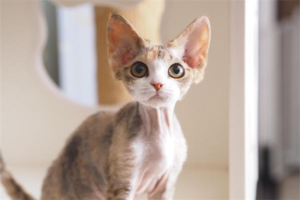
How Long Does a Female Cat’s Heat Last?
A female cat's heat usually lasts about 3–10 days (cycle 14–21 days, 2–3 times a year), with signs of loud yowling, irritability, swollen vulva, raised-rump posture, lower appetite, spraying, and escape attempts—so secure doors and windows. Spaying is the permanent fix and lowers reproductive-disease risk; distract with play, white noise, and check-ups meanwhile.