Search Results
38 results for “infectious rhinitis”

Rabbit Rhinitis: Symptoms and Treatment
Infectious rabbit rhinitis is usually triggered by temperature swings; young rabbits are hit hard with high death rates. This guide covers symptoms, when it strikes, and treatment plus prevention (isolation, penicillin/streptomycin, vaccines).
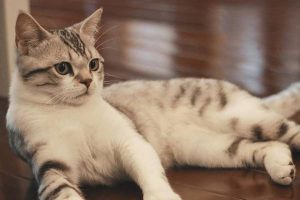
Rhinitis in Dogs and Cats: Symptoms, Treatment, and Prevention
Rhinitis is inflammation of the nasal mucosa, producing congestion, swelling, nasal discharge, and sneezing. It may be acute or chronic and is managed by clearing the nasal passages and treating the underlying cause, often with antibiotics when bacterial.

Feline Infectious Respiratory Diseases: Causes, Treatment, and Prevention
Lethargy, loss of appetite, sneezing, and persistent runny nose in cats often signal an upper respiratory infection, a highly contagious disease that is especially dangerous for kittens.

Two Common Inflammations in Rex Rabbits
Sore hock (pododermatritis) and infectious rhinitis are both common in rex rabbits and can harm the animals; infectious rhinitis is also contagious and can sweep through a herd. This guide covers the signs, care, and prevention of each.

Why Is My Cat Sneezing
Pets and people sneeze for two usual reasons: inflamed nasal lining or a foreign object in the nostril. If exposed to irritants or a respiratory infection, the lining inflames.

Why Does a Rabbit Tilt Its Head? Causes and Care
A head tilt is usually from disease; many find it cute, but the truth can be alarming. Here we detail the causes and treatment.

What Equipment Do You Need to Raise Rabbits?
Raising rabbits requires several items - the hutch and basic supplies are essential. This article lists the equipment you need, helping new rabbit keepers get started.

Rabbit Otitis Media: Symptoms and Pathological Changes
Otitis media in rabbits is subtle early on; a head tilt, or torticollis, is the main clinical sign, sometimes with lethargy, difficulty drinking and weight loss. Early on the eardrum and tympanic wall redden or rupture, and severe cases progress to purulent meningoencephalitis. The main pathogen is Pasteurella multocida.

Prevention and Treatment of Rabbit Otitis Media
Rabbit otitis media, often called wry-neck disease, is usually caused by Pasteurella multocida and can be fatal if left untreated. The earliest sign is a head tilted to one side; as it progresses the rabbit may roll, lose balance and eventually die. Prompt, cause-specific treatment and good hutch sanitation are the keys to prevention.

Why Is a Rabbit Tilting Its Head and How to Treat It
Head tilt in rabbits is usually from Pasteurella or mite/fungal middle-ear infection damaging the vestibular system. Check the ears for discharge or odor; treat with hydrogen peroxide rinse, chloramphenicol drops, and penicillin/streptomycin injections for 5 days. Vaccinate against Pasteurella and inspect ears early to prevent it; valuable rabbits may be isolated rather than culled.
- « Previous
- 1
- 2
- 3
- 4
- Next »