Search Results
38 results for “infectious rhinitis”

Clinical Types of Infectious Rhinitis in Rabbits
Infectious rhinitis in rabbits is driven by Pasteurella multocida and breaks out when resistance drops. It appears in three clinical forms — septicemic, pneumonic and nasal — and is a stubborn disease with low cure rates, high relapse and long treatment.

Symptoms of Infectious Rhinitis in Rabbits
The clearest sign of infectious rhinitis is constant sneezing, later with thick, pus-like nasal discharge. Left untreated it can advance to pneumonia and death, so don't mistake ordinary dust-sneezing for the disease — especially if it only happens at mealtimes.

Occurrence Patterns of Rabbit Infectious Rhinitis
Infectious rhinitis in rabbits follows clear, predictable patterns. Incidence rises with higher stocking density, certain cage arrangements, the rearing method, the rabbit's breed and age, and seasonal temperature swings. Understanding these patterns helps breeders reduce outbreaks through better housing and management.
Treatment and Prevention of Infectious Rhinitis in Rabbits
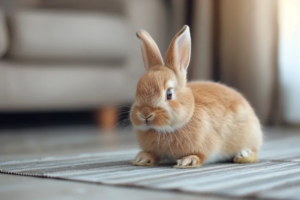
Infectious rhinitis in rabbits is hard to eradicate and easily relapses, so prevention matters most: low density, good ventilation, clean hutches, steady warmth and the Pasteurella vaccine. For outbreaks, florfenicol, tilmicosin or tylosin now work better than the overused penicillin–streptomycin combo.

Prevention and Treatment of Infectious Rhinitis in Rabbits
Infectious rhinitis in rabbits is hard to cure and best prevented: strict husbandry, low density, good ventilation, solid nutrition and the Pasteurella–Bordetella vaccine cut the risk. For outbreaks, antibiotics such as penicillin, streptomycin, kanamycin or gentamicin by injection, plus enrofloxacin in water for whole-group infection, are the main treatments.

Infectious Rhinitis in Rabbits
Infectious rhinitis is a chronic rabbit disease triggered by allergens or viruses (often Pasteurella and Bordetella bacteria), and frequent sneezing is its hallmark sign. Allergen-driven cases clear once the trigger is removed, while viral cases need medication — and the sooner treatment starts, the better.

Common Infectious Diseases in Cats
This issue summarizes 8 common feline infectious diseases; here is a brief introduction.

Symptoms and Treatment of Common Viral Infectious Diseases in Dogs and Cats
Viruses need host cells to multiply, then spread via blood and lymph causing infection. Here are common viral diseases in dogs and cats.
Types of Rhinitis in Rabbits
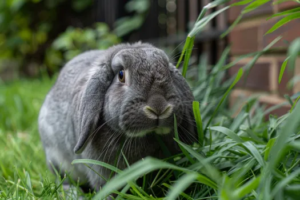
Rabbit rhinitis has several types, infectious, viral, parasitic, and bacterial, each with distinct signs; young rabbits are at high risk of death, so frequent sneezing warrants a vet check.

Causes of Rhinitis in Rabbits
Infectious rhinitis in rabbits is hard to cure and hard to prevent, with high rates on many farms. The main drivers are crowding, poor ventilation, sharp weather changes, breed susceptibility (angora and fur rabbits are worst), and low husbandry standards.