Search Results
876 results for “indoor”

How to Convert Cat Years to Human Years
There is no perfectly scientific cat-to-human age chart, but the common rule beats the old 'one year equals seven' myth. A cat's first two years cover roughly a person's first 25 years, and after that each cat year is about four human years. That maps onto clear life stages: a kitten under six months, a 'teen' from seven months to two years, a prime adult of three to six, a mature cat of seven to ten, and a senior from ten to fifteen-plus. Pet cats average 12-15 years; the recorded oldest reached 38 years and 3 days, and Siamese tend to live longest.

Why Do Cat Pupils Get Bigger and Smaller?
A cat's pupils are constantly resizing, and the change is driven mostly by light. In dim rooms the pupils open round to take in more, in normal indoor light they sit in a soft peach-oval, and in bright sun they narrow to a slit that gives the sharpest, most three-dimensional view — much like a camera aperture. A cat's pupils can change size about 135-fold, far beyond a human's roughly 15-fold. One warning sign to watch: if the two pupils are different sizes, it can point to high blood pressure, optic-nerve damage, or infection.

Six Common Misconceptions About Raising Dogs
Six myths to drop: (1) making a dog stand often harms hips—some breeds have poor hip development, so avoid it and supplement calcium; (2) bathing too often strips protective skin oils and invites dermatitis—every 1–2 weeks is enough; (3) 'dogs don't hold grudges' is wrong—they just don't dwell on it, but chronic hitting/coldness makes them distant or depressed; (4) skipping walks fades the coat and weakens immunity—daily exercise matters; (5) skipping deworming raises parasite and skin-disease risk; (6) homemade food as the main diet causes pickiness and imbalance—balanced kibble should lead, with toppers added.

Why Dogs Shake Toys Side to Side
Shaking a toy mimics killing prey—dogs' front paws are less dexterous than a cat's, so the head shake helps tear meat. But if a dog shakes not just plush toys but also furniture, doors, and floors, the owner likely isn't meeting its needs. Most destruction comes from unmet daily exercise or too little companionship. Separation anxiety makes it chew items smelling of you (shoes, socks). The real fix is the root cause: spend more time with the dog—one extra hour a day is a week of extra happiness for an indoor dog.

Why Do Cats Bury Their Poop?
When a cat scratches litter over its business, it is acting on instinct rather than manners. In the wild a cat is both hunter and prey, so burying waste hides its scent from other animals. Within a group, a subordinate cat buries to avoid conflict and signal 'I am not a threat' — so a diligent burier may actually be working hard to fit into your home and begging not to be rejected. Cats also simply dislike the smell. Reading the behavior helps us live better with a partly wild companion.

Which Vaccines Does Your Own Cat Need?
Even indoor cats need the core FVRCP vaccine—owners, supplies, and pet-store visits can carry viruses home. Core shots cover panleukopenia (distemper), calicivirus, and herpes (rhinotracheitis); the first dose is never skippable. Non-core vaccines (FeLV, FIV, FIP, chlamydia, Bordetella, rabies) depend on risk. Follow AAFP siting: FVRCP right front leg, FeLV left front, rabies right hind. First immunity is two shots a month apart, then a booster about a year later; many vets now booster every three years, not annually.

How Much Does It Cost to Keep a Cat?
Keeping a cat need not be expensive. Start-up runs about 560 yuan: a fully enclosed litter box, food and water bowls (plastic frame with stainless steel inner), cat nail clippers, a covered crate or tent, a carrier, and the first FVRCP vaccines (2–3 shots). Monthly essentials—food, tofu litter, a scratching post, and deworming every three months—add up to roughly 165 yuan. Extras (treats, canned food, cat tree, neutering) have no ceiling, so spend within your means; the first year totals around 2,500 yuan.

Why Does My Dog Urinate in the House?
When a normally clean adult dog urinates indoors while you are out, scolding and punishment aren't the only responses to consider—why is your adult dog doing this? Puppies peeing inside is just the cost of dog ownership, so we focus on adults. Occasional accidents are normal ('nature calls'), but frequent, repeated indoor urination deserves attention, because it brings urine odor and possibly other problems. Medical causes: urinary disease (often a UTI causing random urination, usually treatable with medication); incontinence (dribbling or peeing while sleeping points to incontinence, treatable early with medication; large-area urination suggests something worse—see a vet); senior dogs (canine cognitive dysfunction makes them forget where they are, causing accidents). If your dog is healthy and not old, the cause is behavioral: intact males may mark after sexual maturity—normal—but a dog that never peed inside suddenly doing so may be stressed by household changes (a new member, a departure, new smelly or noisy objects). To change it: don't yell—catching the act in the moment matters, not the old puddle; remove or relocate the trigger; and clean thoroughly with an enzymatic cleaner that fully removes the odor so the dog doesn't remark the spot.

6 Signs Your Dog Isn’t Getting Enough Exercise
A dog's exercise need depends on breed, age, and size. Some dogs play hard outdoors daily; others only stroll the neighborhood—but every dog needs a sensible amount of activity. So how do you know yours is under-exercised? Watch for six signs: destruction (a normally calm adult wrecking the home needs an outlet, not a beating); rough play (an usually gentle dog throwing its whole weight around with others); obesity (too much food, too little movement—common in seniors, though sudden weight gain can signal illness); restlessness (pacing at night, especially in small breeds that still need 10–20 minutes of indoor play); excessive barking (pent-up energy venting as noise); and lethargy (a depressed, uninterested dog). Puppies need several 5–10 minute sessions; adults 30–60+ minutes (or under 30–60 for low-need breeds); seniors 2–3 sessions of about 30 minutes. Remember: for most dogs exercise is a walk, but don't ignore mental stimulation—especially for dogs that can't go out.
When Should a Kitten Start Deworming?
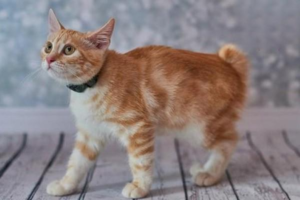
Even indoor cats can pick up fleas, mites, tapeworms, and roundworms, and a heavy parasite load harms the skin, gut, and normal growth—so a regular deworming schedule matters from a young age. Preventive treatment can begin as early as two to three months, while an active infection needs a targeted, gentle product suited to a kitten's sensitive stomach. This guide covers when to start, how often to repeat, and the key precautions around bathing and vaccines that every cat owner should know.