Search Results
876 results for “indoor”
What are the small dog breeds?
Popular small breeds include Teddy, Pomeranian, Corgi, Dachshund, Chihuahua, Schnauzer, Pug, Yorkie, Bichon, Pekingese, Cocker, and more.
Does a Golden Retriever shed a lot?
Goldens shed heavily, especially in shedding season; brush often, clean up, and supplement skin-nourishing nutrients.
Are Corgis afraid of the cold?
Corgis tolerate cold fairly well thanks to dense undercoat, but puppies and seniors need extra warmth.

Parasite Prevention for Cats: What Every Owner Should Know
Parasites threaten cats at every life stage and are easy to overlook. Fleas, lice, ticks, and mites cause itching, dermatitis, and anemia, while internal worms and mosquito-borne heartworm can be life-threatening—even for indoor cats. This guide explains the hidden risks, why a combined internal-and-external spot-on simplifies prevention, and how to apply one safely and with less stress. The proven ingredient pair imidacloprid plus moxidectin covers a broad range of parasites in a single monthly dose. Always confirm the right product with your veterinarian.

Do Budgerigars Tolerate Cold Weather
Budgerigars are sensitive to cold and cannot survive below 5 C, so keep the room above that in winter. Move the cage indoors and, if needed, use an incandescent lamp or heater. Feeding more oil-rich seeds like peanuts and sunflower helps them build fat reserves. Lower the bath frequency in cold weather, bathe only in warm water, and if a bird catches a chill, keep it warm and use an antibiotic as directed. Good hygiene supports recovery.
How to Choose a Parasite Treatment for Cats and Dogs
Parasites are among the most common yet overlooked threats to pet health—even indoor cats can carry fleas, ear mites, or intestinal worms. With many combined internal-and-external products on the shelf, the key is choosing one that is safe, effective, and practical for year-round use. This guide explains why regular control matters, the four points that should drive any choice, the main active-ingredient classes owners will meet, and how to match a product to a pet's age, lifestyle, and parasite risk. Always confirm the right product with a veterinarian.

What Long-Term Caging Does to a Cat
Cats are born free spirits and caging them long term harms body and mind. It causes anxiety, fear of people, and odd behaviors like over-grooming or chewing the bars; physical limits lead to stiff joints, muscle loss, obesity, heart risk, constipation, and poor bone development; little contact blunts social skills; suppressed instincts distort natural behavior; and cage life can ruin litter habits and cause odor. Caging should be rare and short, only for health or safety limits. Instead, cat-proof the home with mesh on windows and doors, give a cat tree and scratcher, litter-train, and let the cat roam free with your company.

Do Female Dogs Feel Unwell During Heat?
During heat a female dog may feel some discomfort, often shown as irritability, abdominal pain, and appetite that rises or falls, but it is usually tolerable with no obvious abnormality. If she shows clear distress, consult a vet. She may also roam to find a mate, so supervise her closely during this period.

Why Is Your Dog Suddenly Shivering?
A dog that suddenly shivers may be afraid, over-excited, cold, unwell, or poisoned. Fear and excitement are normal responses that pass on their own, while cold calls for warmth. Persistent or repeated shivering can signal illness such as neuromuscular disease, chronic kidney failure, or distemper, and shivering soon after eating may mean toxin ingestion like chocolate or grapes. Calm a frightened dog, warm a chilled one, and see a vet if the shaking continues, comes with other signs, or follows a suspect meal; teach a 'leave it' cue to stop scavenging.
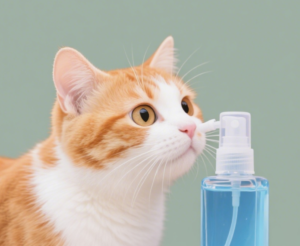
Can Mosquito-Repellent Perfume Poison Your Cat?
That popular mosquito-repellent perfume (the Chinese "flower water") does pose a real risk to cats. Some formulas contain DEET and pyrethroids, both dangerous to cats, and the alcohol, menthol, and camphor in them also irritate. DEET can disturb the central nervous system at high concentration, while pyrethroids are outright toxic because a cat's liver lacks the enzyme to break them down, so toxins build up and can cause organ failure. Cat homes should avoid the product; use screens, nets, electric swatters, or UV traps instead. If a cat shows tremors or vomiting after heavy exposure, never induce vomiting, go to a vet at once.