Search Results
876 results for “indoor”
Is it normal for a cat to have a dry nose?
A dry cat nose is not normal. Cats normally lick their noses to keep them slightly moist, but a briefly dry nose after waking is fine. Persistent dryness can come from dry air, vitamin deficiency or fever.
Is a Springer Spaniel suitable as a family dog?
Springer Spaniels are friendly, gentle and alert, making good family and guard dogs, but they are high-energy and need daily exercise to avoid restlessness and destructive behavior.
The Complete Kitten Socialization Guide
A kitten's socialization window is 3–7 weeks of age — the prime time to build positive associations with people, sounds, touch, and new environments. Gentle handling acclimates them to paws, ears, and mouth, easing future grooming, nail trims, and vet visits. Keep sessions short, never force or scold, and reward calm cooperation; stop at any stress signal like flattened ears or a lashing tail.

Why Do Cats Get Stuck in Trees?
Cats climb easily but often can't climb down — going down head-first, their front claws can't grip as they do going up, and their weight makes it hard to stay steady, raising the fall risk. So a cat that climbs too high gets scared and won't jump. Young or weak cats are most at risk; some get a claw stuck in the bark, and indoor cats unused to the outside panic and stay put.

How to Stop a Puppy from Barking: 6 Useful Tips
A puppy barks for a reason — separation anxiety, excess energy, fear, excitement, attention-seeking, or discomfort — so the first step is to find the cause. Once you know why, you can act on it: tire the dog out with walks and play, ignore demand-barking until it quiets, build a safe den for insecure pups, and train alone-time for separation anxiety.

Signs Your Dog Might Not Be Very Bright
A less quick dog may fail to recognize you in new clothes, greet everyone over-enthusiastically, bark at its own mirror image, resist training, pee indoors, get bullied, not seek food when hungry, or lack self-protection. These aren't fixed verdicts — positive training and socialization can still improve behavior; every dog is unique.

What to Do When a Dog Is Timid and Afraid of People
A fearful dog may be born sensitive, under-socialized, or traumatized. Build a safe retreat at home, socialize gradually from a distance with treats, and avoid rewarding the fear by over-comforting. For abused dogs, give extra patience and trust; if training stalls, call a professional trainer.
‘Northern Dog’ Special: How to Treat Frostbite on Your Dog’s Ears
Move a dog with frostbitten ears indoors at once and wrap the body in a blanket (protect core temperature) to stop further cooling. Then apply a towel soaked in 37–38°C water to the ear for 10–15 minutes, repeat after a 5-minute gap, until the ear warms. Don't use a hot water bottle or hairdryer — too much temperature contrast worsens tissue damage. After rewarming, pat dry with sterile gauze and apply a pet moisturizing repair balm (beeswax or shea best), and use an Elizabethan collar or breathable wrap to stop scratching.
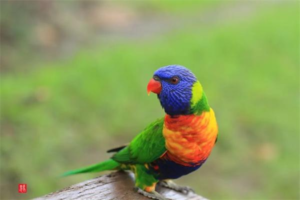
How to Clip a Parrot’s Flight Feathers Safely
Clipping a parrot's flight feathers lets it fly safely in a small space without escaping—protecting both bird and owner while preserving some flight ability. It is a skill that needs patience and practice to avoid injury. The key is to trim only the outer flight feathers (never the down feathers or blood-filled shafts), keep both wings symmetrical, and cut about half to two-thirds at a 90-degree angle. Done calmly on a relaxed, well-fed bird and finished with a gentle antiseptic, feather clipping is a safe, optional management tool.

What Is the Lowest Temperature a Chinchilla Can Tolerate?
A chinchilla can tolerate temperatures down to about 5°C (41°F) thanks to its dense fur, but sustained cold below that causes shivering, appetite loss, and even respiratory illness. Far more dangerous is heat—above 28°C (82°F) a chinchilla can overheat and suffer fatal heatstroke.