Search Results
876 results for “indoor”

Do Dogs Have a Rebellious Phase?
Yes—dogs go through a rebellious phase, usually between 6 and 12 months of age. Typical behaviors include acting up, ignoring commands, accidents in the house, boundless energy, aggression, refusing training, and sneaking off. Hormones surge much like human adolescence, and environmental or social changes add to the defiance. The right response is patience and positive guidance, not harsh punishment: give love and understanding, step up training and socialization, keep a stable routine, and seek a professional trainer if needed. With consistency, your dog will grow through this stage.

How Often Should You Completely Change Cat Litter?
Generally, fully change the litter when it drops to about one-third of the original amount after 1-2 weeks, but adjust for the cat's age, health, season, and litter type. Poor-quality litter that clumps poorly or sticks needs sooner replacement. Always wash and dry the box before refilling.
What Happens If a Dog Breathes Smoke Long-Term?
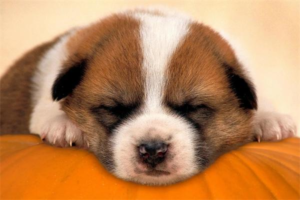
Inhaled smoke harms a dog's sense of smell and damages the respiratory and cardiovascular systems, raising risks of bronchitis, pneumonia, high blood pressure, heart disease, skin problems, and cancer—much like secondhand smoke in people. Avoid smoking indoors for the dog's and family's sake.
Do Cats Still Hunt When They’re Full?
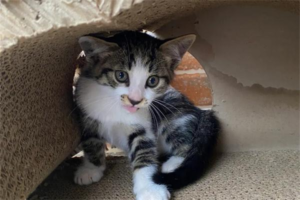
Cats are born hunters and will often pounce on prey regardless of whether they are hungry, usually just to release energy. Well-fed house cats hunt less, but the instinct still shows in play like chasing teasers and light spots.
Why Do Cats Get Skin Cancer?
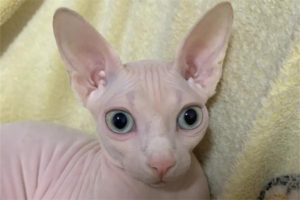
Feline skin cancer is mainly linked to UV exposure, genetics, and environmental pollution. Prevention means limiting sun exposure, avoiding at-risk breeding lines, and keeping the environment clean. Treatment is usually surgical removal, with chemo or radiation for malignant cases.

What Causes a Dog’s Runny Nose
As the weather cools, keep your dog warm - dogs get runny noses just like people do. Most often it is just a chill: a warm indoor spot, a cozy bed, and some cold care or cold medicine clears it up. But a runny nose can also signal distemper or parvovirus, both deadly, so take those seriously and see a vet at once if suspected. A quick home check: feel the nose. A moist nose usually means the runny nose is from cold weather (a healthy dog's nose is cool and damp when awake); a dry nose with tearing and fever points to a cold. Distemper shows as swinging temperature, heavy eye discharge, thick nasal discharge, cough, cloudy corneas, low spirits, bloody stool, and vomiting, while parvovirus brings tar-like black stool (blood), dehydration, violent sometimes bloody vomiting, and can lead to heart inflammation.

How Important Is Keeping Your Dog Warm in Winter
Puppies, sick dogs, seniors, and pregnant or nursing dogs need extra warmth; other dogs are not very cold-sensitive while active, but in cold regions you must still insulate the dog house, bed, and crate. Cold weather also cuts appetite for clear reasons: less exercise slows digestion and causes food to sit; shorter walks lower calorie need; colds and flu suppress appetite; and cold or frozen food and water cause diarrhea. Protect your dog by expanding indoor space when walks are impractical, dressing puppies or dogs in cold spots, serving warmed food and water (never cold), avoiding overfeeding, drying the coat fully after baths, and walking at the warmest midday hours. New winter dog owners should be especially careful with warmth, clean bedding, and not overfeeding sleepy puppies.

What to Do When Cat Hair Is Everywhere
When cat hair fills the home, brush your cat regularly with a pet comb to remove loose fur. Use a vacuum or lint roller on furniture, carpets, and bedding; for wipeable surfaces, a damp cloth balls the hair for easy pickup. Tape also works without tools. Regular baths and proper humidity help skin and coat health.

How to Remove Strong Dog Odor from Your Home
Dog body odor, waste smell, and unwashed supplies cause home odor. Bathe and groom the dog regularly; clean and disinfect its belongings; ventilate; clear shed hair; train outdoor toileting. If accidents happen indoors, use apple cider vinegar or baking soda after cleaning.

What Factors Affect a Goldfish’s Body Color?
Goldfish color is affected by genetics, light, water quality, diet, temperature, and environment. Genetically, early-fading fish pass it to offspring. Low light causes fading—provide natural or artificial light. Low dissolved oxygen also causes fading, so keep oxygen sufficient.