Search Results
876 results for “indoor”

Signs of Heat in Cats and How to Care for Them
Cats first come into heat at 6 to 12 months. Females raise their tails, get clingy, roll, and yowl at night; males spray and scratch doors. Keep them in, play more, and spay or neuter afterward to protect health.

Why Is My Cat Breathing Through Its Mouth and Not Eating?
Mouth breathing in cats is abnormal and suggests nasal blockage or labored breathing. If appetite is also lost, a veterinary visit is best. This article explains the common causes.

Diagnosing and Controlling Rabbit Mange
Rabbit mange most often strikes kits and can be fatal. This guide covers the environmental causes, the symptoms to watch for, and the cleaning and treatment steps that prevent a full-colony outbreak.

The Special Functions of a Dog’s Nose
A dog's nose does far more than smell: it works like a GPS for navigation, a living thermometer for testing food temperature, and a unique fingerprint via its nose print. It also drives appetite and greets other dogs, so protect this sensitive sense from strong artificial scents.

What Is Psittacosis (Parrot Fever)?
Psittacosis is a contagious disease among many birds — parrots, gulls, pigeons — and can rarely spread to humans, causing cough, fever, and muscle pain. Learn how it spreads and its symptoms.

What to Do When a Parrot Fluffs Up
Fluffing has many causes and isn't always illness. Normal stretches or temperature control need no action, but lethargy, vomiting, or shivering means a vet. Learn the causes and fixes.
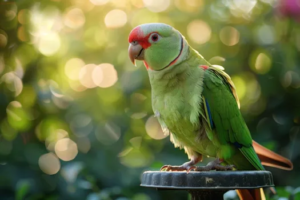
Is My Budgie Dying If It Fluffs Up and Looks Lethargic?
A budgie that fluffs up and looks weak may have a cold from cold weather, with sneezing, diarrhea, and lethargy. Take it to a vet promptly; mild cases can be watched with warmth, glucose, and clean water.

Occurrence Patterns of Rabbit Infectious Rhinitis
Infectious rhinitis in rabbits follows clear, predictable patterns. Incidence rises with higher stocking density, certain cage arrangements, the rearing method, the rabbit's breed and age, and seasonal temperature swings. Understanding these patterns helps breeders reduce outbreaks through better housing and management.

Common Causes, Symptoms and Treatment of Pet Colds
Pets catch colds easily — usually from chills (season changes, baths, drafts, rain, cold floors) or low resistance. A plain cold can worsen into something serious, so treat it early. Never give human cold medicine (acetaminophen is toxic to dogs and cats); use pet-specific drugs. Learn the warning signs that separate a cold from pneumonia, rhinitis, feline herpesvirus (cat flu) or distemper.

Essential Dog Supplies Checklist
Preparing the right supplies before bringing a dog home prevents a chaotic first day. Essentials include balanced dog food, sturdy bowls, a leash and poop picker for walks, dog-specific shampoo, chew toys, and both internal and external deworming medication given monthly.