Search Results
165 results for “independent dog”

CoQ10 for Senior Pets with Early Heart Enlargement: What Owners Should Know
Cardiac enlargement in senior dogs and cats is not a single disease but a compensatory change—thickened heart muscle—that often appears with valve disease or cardiomyopathy. Under the ACVIM system, Stage B (split into B1 and B2) means structural changes are visible on X-ray or exam, yet the pet shows no obvious heart-failure signs, making it the ideal window for early support. CoQ10, a fat-soluble compound naturally made in heart cells, powers mitochondrial energy production and shields tissue from oxidative damage. Because endogenous CoQ10 falls sharply with age, supplementation is one of the most studied, low-cost veterinary adjuncts for cardiac care. This article explains Stage B heart enlargement, why CoQ10 helps, how to choose a transparently labeled pet-specific supplement, and the daily diet, exercise, and recheck habits that protect an aging heart.
Bear-Type vs. Wolf-Type Samoyed: What’s the Difference?
Samoyeds come in two popular looks: the bear-type (often called the "Australian line") and the wolf-type (the "Russian/Siberian line"). Bear-type dogs are stocky and round, standing about 53-58 cm at the shoulder and weighing 25-30 kg, with a broad, short muzzle and an extremely fluffy double coat. Wolf-type dogs are leaner and more athletic, roughly 3-5 kg lighter, with a longer, narrower muzzle, almond eyes set close together, and a sleeker, coarser coat. Temperament differences are minor and mostly shaped by socialization rather than bloodline. The most important factor when choosing a pet is matching the dog's needs to your lifestyle, not which "version" you prefer.
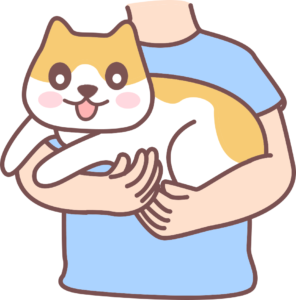
Does Your Cat Know You’re the One Caring for It?
Cats definitely know who feeds and cares for them. Through consistent feeding, grooming, and play, they link your face, voice, and scent to survival needs like warmth and safety. A 2019 University of Tokyo study found cats turn their ears and dilate pupils faster for their owner's voice than a stranger's—proof the brain flags you as important. Cats show recognition subtly: cheek-rubbing, belly displays, midnight purring, and tracking your location. To strengthen the bond, build a feeding ritual, respond to their overtures, and avoid 'emotional neglect'—cats cared for by rotating family members grow less attached. A stable caregiver builds the security they need.
How to Choose CoQ10 for Your Cat
CoQ10 is one of the most talked-about pet supplements—and one of the most debated. Critics call it a placebo, yet veterinarians routinely recommend it for cats with heart conditions. The truth sits in the middle: a quality, properly dosed product helps, a worthless one does not. Here are three rules for choosing a CoQ10 that actually works.
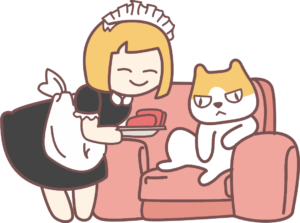
Is Your Cat Hard to Bond With? (Signs and What to Do)
A cat that seems impossible to bond with is rarely born defiant—it usually shows clear behavioral clues and a hidden reason behind them. Such a cat refuses close contact, pretends not to hear its name, guards its food, claims a corner as territory, hides constantly, or even tries to escape. The causes range from a strong independent nature and sex differences to a stray past marked by abuse or the mood swings of an unspayed cat. The fix is patience: give the cat space, build trust through food on a fixed schedule, avoid sudden stimuli, and consider pheromone sprays. Most 'untamable' cats will gradually accept you when treated with respect.
Pet CoQ10 Supplements Reviewed: Picking One That Genuinely Supports Heart Health
CoQ10 is a popular supplement for pets with heart conditions, but it supports heart function rather than curing disease. It helps the heart muscle generate energy, mildly slows heart failure, and supports immunity and vitality. Yet the market is full of weak or mislabeled products—industry figures suggest most pet CoQ10 labels either understate or omit the actual content, and some use industrial-grade raw materials. When choosing a supplement, look for verified CoQ10 content (ideally backed by independent testing), natural fermentation sources, and a clean antioxidant formula, matched to your pet's age, breed risk, and symptoms. Used alongside veterinary treatment, a quality CoQ10 can be a valuable part of heart care.

Papillon Temperament and Care
The Papillon is a small, elegant European breed named for its butterfly-like ears. Weighing just 3 to 5 pounds, it has a soft, flowing coat in white, black, brown, or patterned colors. Despite its size, the Papillon is lively, affectionate, and highly intelligent. These dogs bond closely with their families, greet strangers kindly, and adapt to apartments or houses alike. They are quick to learn and enjoy training, games, and companionship. Because they are active and curious, they need daily exercise, mental stimulation, and regular grooming. A balanced diet, routine veterinary checks, and social interaction keep a Papillon healthy and happy. With the right care, this bright little companion becomes a devoted, joyful member of the household.
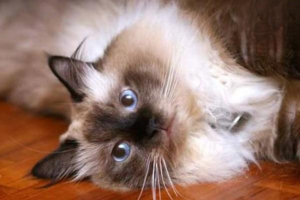
What to Do When Your Cat Is Too Aggressive
Unlike dogs, cats won't obey blindly; their independent nature means a small mistake can bring gentle retaliation. Some owners are baffled about how they upset their cat. This article explains what triggers feline aggression, from fear and threat to pain and illness, and how to train a cat out of biting and attacking.

What Your Cat’s Ear Positions Are Telling You
A cat's ears are finely tuned tools—32 muscles let each ear swivel 180° independently, and they hear up to ~78 kHz, far beyond dogs and people. Ear posture is a readable mood signal. Natural-up means calm; forward and erect means focused or curious (or puffed-up before a fight); swiveling means listening, alert if locked on a direction; 'airplane ears' flattened back mean fear or surrender; and twitching while asleep means dreaming. Reading the direction of airplane ears tells you whether the cat is submitting or about to fight.
What is a German Shepherd mix’s personality like?
A German Shepherd mix tends to be more independent and individualistic. While purebred Shepherds are confident, cheerful, and obedient, most mixes are livelier and less compliant — though they are intelligent, and with proper early training can become as brave and obedient as a purebred. Shepherds can be aggressive, so keep them leashed outdoors.