Search Results
902 results for “illness sign”

Preventing Autumn Diarrhea in Dogs
Dogs can get diarrhea in any season, usually from poor feeding habits or a habit of chewing whatever they find. Frequent bouts leave the gut fragile and hold back healthy growth, so prevention matters most when the weather turns. In autumn, sharp day-and-night temperature swings, a seasonal rise in infectious disease, and faster food spoilage all raise the risk. A warm sleeping spot, up-to-date vaccinations, and fresh, properly handled food are the three habits that keep a dog's stomach settled through the change of season.

Why Does My Hamster Twitch While Sleeping?
A sleeping hamster is usually still, so little twitches and jerks can worry a new owner. Most of the time the cause is harmless: muscles still settling after play, a vivid dream, nervousness in a new home, or simply feeling cold. Only when twitching pairs with other signs of illness should you worry. The fix is usually comfort and warmth rather than medicine. This guide explains the common reasons a hamster shakes in its sleep and what you can do to help it relax.
Why Is My Golden Hamster Squeaking Constantly?
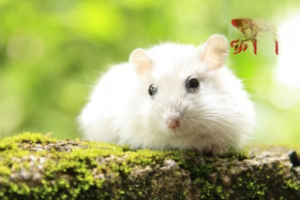
Golden hamsters are normally quiet creatures that sleep by day and run on their wheel by night, so constant squeaking is a signal worth reading. It can be completely harmless—a dream, a startle, or a sulk—or it can mean real distress from illness, injury, or a perceived predator nearby. Because the tone differs between a content chirp and a pained wail, owners should learn to tell them apart. This guide covers the five common reasons a hamster cries out and when a vet visit is the right call.

6 Common Cat Diseases and How to Prevent Them
Cats hide pain well and can't tell you what's wrong, so owners need a basic grasp of common feline illnesses. Beyond regular checkups and vaccines, know the warning signs of the six frequent problems: urinary tract disease, respiratory infection, periodontal disease, parasites, ringworm, and ear mites. This guide summarizes each condition's symptoms and the everyday prevention that matters most—more water, less stress, dental care, deworming, and a clean, dry environment.

What to Do When Your Cat Becomes Lethargic?
Cats are naturally quiet companions, but a sudden loss of energy is a signal worth attention. The two main reasons are emotional and physical: a cat left alone too long can grow depressed and withdrawn, while illness—from a simple cold to oral, skin, or stomach problems—drains its spark. Because lethargy is a common early sign of disease, owners should look for other clues and act. This guide explains why cats go listless and how daily companionship plus prompt veterinary care can bring your lively cat back.

Why Has My Dog Suddenly Gone Quiet and Calm?
A dog that is normally playful but suddenly turns quiet and still may simply be in a low mood, or it could be telling you something is wrong. The shift often comes from four situations: feeling down, adjusting to a new environment, being unwell, or pregnancy in a female dog. Because quiet behavior can mask illness, owners should weigh the context and watch for other signs like changes in appetite or stool. This guide explains each reason so you can respond with comfort, patience, or a timely vet visit.
Concerning Cases of Dog Vomiting
Vomiting itself is common in dogs, but certain patterns signal something more serious than a simple upset stomach. Seasonal vomiting is often pathological, and owners should match the symptom to its likely cause. A cold, a bacterial imbalance, or intestinal parasites each produce a distinct picture—from clear mucus with sneezing to worms appearing in the vomit. Knowing what to look for helps you decide between home care and a prompt trip to the vet, and ensures a heavy parasite load or deeper illness is not missed.
Why Does My Cat Foam at the Mouth After Taking Medicine?
It can be alarming to see your cat drool foamy saliva right after a dose of medication. In most cases this is a normal defensive reaction rather than a medical emergency. Cat medicines are usually bitter and lack the sugar coating found on many human pills, so the unpleasant taste alone can trigger gagging and vomiting. Some drugs are also physically irritating to the stomach lining, especially when given on an empty stomach. Understanding the two main causes—bitterness and gastric irritation—helps you give medicine more comfortably and know when foaming is simply a passing reaction versus a sign you should slow down and check with your veterinarian.

Postpartum Care for Mother Cats
Cat birth is long and exhausting, leaving the mother weak and far more vulnerable to disease. Poor aftercare can lead to uterine problems or lasting complications, so postpartum care matters. Within two hours of delivery, observe quietly without disturbing her or the kittens. Then focus on three pillars: nutritious food (more protein, fat, vitamins, and minerals, plus broths and milk), a calm, clean, warm environment with a disinfected nest, and vigilance for uterine disease and mastitis—seeing a vet at the first sign of trouble.

Should You Reattach a Cat’s Lost Whisker?
A cat losing whiskers isn't something to glue back—whiskers can't be reattached, and usually they don't need to be. Shedding is normal with age (older cats' whiskers whiten, break, and fall as metabolism slows) and during growth (kittens lose and regrow them along with coat and teeth). The real worry is disease: skin infections (bacterial or fungal) and nutritional or metabolic disorders can also make whiskers fall. If loss comes with skin problems or you suspect a deficiency, act early—supplement vitamins and minerals, adjust the diet, check the skin, and consider fish-oil coat support.