Search Results
902 results for “illness sign”

Why Is Your Dog Having Diarrhea
A healthy dog passes formed stool three to four times a day. More frequent, soft, watery, mucus-laced, or bloody stool is diarrhea, a sign of illness rather than a normal variation. Clinically it is split into acute (sudden) and chronic (long-lasting) forms, each with its own common causes.

How to Stop a Dog From Eating Its Own Poop
Eating its own stool is a common dog behavior, usually harmless but sometimes a sign of a problem. Causes range from missing nutrients and youth or pregnancy, to lack of training, boredom, or illness such as pancreatitis. To correct it: feed a complete diet with added trace minerals and vitamins, clean up stools promptly, interrupt with a firm 'leave it' and reward stopping, and as a last resort make the stool unpalatable with a safe deterrent. If the habit persists despite these steps, consult a veterinarian to rule out a medical cause. Patience and consistency are what break the cycle.

What Is Canine Methemoglobinemia
Familial methemoglobinemia is an inherited defect in the enzyme that converts methemoglobin back to normal hemoglobin, so a dog's blood carries less oxygen. The hallmark is a persistent bluish discoloration of the gums and chocolate-brown blood. Most affected dogs live for years with few signs, but oxidant exposure can turn it dangerous.

Why Does My Dog Lick Me?
Dogs lick people for many reasons—affection, hunger, joy, anxiety, or simple habit. As puppies, their mother licks them clean, so licking becomes linked with closeness and love, and a dog may lick you to say 'I like you.' It also gathers information, seeks attention, or appeases you after misbehaving. When stress or anxiety drives constant licking, it can signal discomfort. If you dislike the behavior, train gently without hurting the bond; if licking is excessive, check for underlying worry or illness. Reading the context tells you what your dog is really saying.
Why Is Your Cat a Picky Eater?
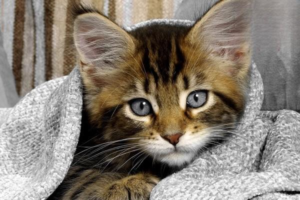
Picky eating often has a simple cause. A too-deep bowl blocks access; stale kibble loses its smell to a sensitive nose; an unwashed bowl grows microbes that ferment and repel the cat; or the cat simply dislikes the current flavor - some prefer fish, some chicken, and 'digging' at the bowl means try a higher-protein food. Signs: refusing kibble but loving treats, cans or meat; eating a bite then playing; if it ignores even favorite treats, suspect illness not pickiness. Long-term pickiness brings malnutrition, anemia and low blood sugar, so keep meals calm and switch to a palatable food when needed.

Dog Food vs Supplements: What’s the Difference?
Dog food is a complete staple designed by pet nutritionists to meet a dog's basic life, growth and health needs - balanced, digestible, convenient and even disease-preventing. Supplements fill specific gaps: vitamins, proteins, calcium, goat-milk powder, coat and pigment support, aiding development and recovery from illness. The rule is food first, supplements second - even good food is not 100% absorbed, so supplements help. But add them only when needed: large breeds needing calcium for joints or baby teeth, picky or single-diet dogs needing vitamins/minerals, weak or sick dogs (B-vitamin for some skin issues, probiotics for gut), and life-stage needs like goat milk for weaned pups. Over-supplementing backfires into allergy or obesity.

What to Check When Buying a Purebred Poodle Puppy
Purebred and mixed poodles can look very similar as puppies, so choosing a healthy, well-bred young dog takes a careful eye. Beyond coat and conformation, the real signals of a good puppy are its skin, eyes, body, family history, and vaccination record. Here is a practical checklist before you bring one home.
Golden Arowana Care and Husbandry
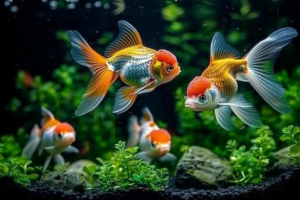
The golden arowana is a large, striking ornamental fish that needs generous space—a pond or an aquarium over 120 cm long. It prefers soft, slightly acidic water and a steady 24–26°C (28–30°C for silver and black varieties), with new and old water kept within 2°C to avoid shock. Good filtration, an air pump for oxygen, and a covered tank prevent stress and disease. Aim for 3–4 hours of sunlight daily, or 5–7 hours of full-spectrum lighting, to support growth and color. Sound husbandry—clean water, stable temperature, sensible feeding—is the best defense against the common signs of illness: dull color, sluggish swimming, and drooping eyes.

Can You Bathe a 2-Month-Old Kitten?
Bathing a 2-month-old kitten is generally not recommended. A kitten's immune system is still developing and its skin is delicate, so a bath can cause chills, skin irritation, or infection. At this age, routine cleaning—ears, teeth, and claws—is enough. If a kitten is genuinely dirty or greasy, a warm, damp cloth is safer than full immersion. Should a bath be truly necessary, keep the water warm, be gentle, avoid the eyes and ears, and dry the kitten thoroughly afterward to prevent chills. Here is what every new owner should know about the risks and the safer alternatives.

What to Do With Your Dog Over Chinese New Year
When the holidays pull you home, your dog's care needs a plan. If possible, take it along by car or by train or air cargo - you will need a dog license and health certificate, and cargo is charged by weight, so call the carrier ahead. Boarding works too: a local family that loves dogs is gentler than a shop cage, or use a pet hotel with a signed agreement. Avoid boarding puppies under six months or very old dogs, whose weak immunity struggles with new environments. Above all, do not leave a dog alone too long - it may think it was abandoned and develop real emotional and physical problems.