Search Results
902 results for “illness sign”

What to Do If Your Guinea Pig Won’t Eat?
A guinea pig that loses its appetite can signal illness—such as a cold, intestinal parasites, or dental problems—or simpler issues like a monotonous diet, spoiled food, a move, stress, or poor digestion. Because these animals are sensitive, the key is to find the cause and act. Offer varied, nutritious food (vegetables, fruit, pellets), encourage gentle daily exercise like walks or play to aid digestion, and watch its body closely so any health problem gets veterinary care quickly. With the right diet, a calm environment, and attention to its mood, most guinea pigs regain their appetite.

Why Is My Dog So Sleepy in Summer?
Many dogs seem lazier and sleep far more once summer arrives. In most cases this is a normal response to heat—dogs cool themselves mainly by panting and through their paw pads, so they naturally slow down to avoid overheating. However, persistent lethargy paired with panting, a rising temperature, or appetite loss can signal heatstroke or illness. Keep your dog cool, hydrated, and walk them during cooler hours to stay safe.

Chinchilla Losing Whiskers? Causes and Care
Chinchilla whiskers can fall out for many reasons—some harmless, others worth attention. Natural shedding is normal and needs no treatment beyond good nutrition, but over-grooming, fungal or parasite infections, and vitamin or protein deficiencies can also cause whisker loss. If whiskers drop on their own with no other symptoms, simply watch your pet's behavior and keep its environment clean and safe. When loss persists or comes with other signs, a vet visit is the right move. Reducing stress, correcting the diet, and maintaining hygiene all help the whiskers grow back.

Chinchilla Twitching: Causes and How to Respond
Occasional mild twitching or trembling in a chinchilla can be perfectly normal—chinchillas often flick their faces to sense air currents and check for danger. However, repeated or severe twitching may point to a nutritional imbalance, chronic stress, or an underlying illness. Calcium or vitamin B1 deficiency, loud or bright stressful environments, and conditions such as liver disease, diabetes, epilepsy, or poisoning can all trigger muscle spasms. Because twitching can be an early warning sign, owners should observe their pet closely and seek veterinary care if the behavior is frequent or comes with other symptoms. A balanced diet, a calm and comfortable habitat, and stable temperatures are the best preventive measures.
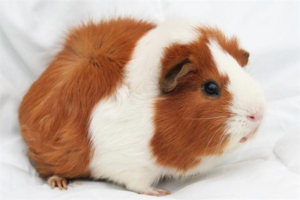
What to Do When Your Guinea Pig Won’t Drink Water?
Guinea pigs need a steady supply of fresh water, and refusing to drink can quickly lead to dehydration and digestive trouble. The cause is often practical rather than medical: too much moisture in their food, stale or dirty water, a poorly placed bottle, or simply a bad habit. Most cases improve once you trim watery produce, switch to a proper small-pet water bottle at the right height, keep it scrupulously clean, and gently train your pet to use it. If a sudden refusal to drink comes with low appetite or lethargy, see a veterinarian to rule out illness.

Why Has My Cat’s Personality Changed?
A sudden change in a cat's temperament can come from heat, neutering, strong pain, illness, a teenage 'rebellious' phase, or psychological stress. A cat in heat grows restless and may spray, then settles after; neutering usually makes it calmer and lowers reproductive-disease risk. Pain makes a cat reject touch and lash out, so see a veterinarian if it guards a body part. New pets, punishment, or loneliness can also trigger fear or retaliation, and sensitive cats can develop anxiety or depression without enough companionship.

How Long Does a Hamster Cold Last?
A hamster cold usually lasts about three to five days, but the exact time depends on the individual, how severe the illness is, and the treatment given. Mild cases can recover in one to two days, while severe ones take longer. Signs resemble human colds: sneezing, runny nose, coughing, and reduced appetite, with the hamster becoming quiet and inactive. Keep the animal warm and hydrated and see a veterinarian promptly for proper care.

Common Causes of Coughing in Dogs
Coughing in dogs most often points to a problem in the respiratory system, but it can also come from heart disease, infectious illness, a swallowed object, or even a fracture. Watching the type of cough - wet, dry, weak, or continuous - and noting whether the dog also loses appetite, runs a fever, or has nasal discharge helps you and your vet pin down the cause. A wet cough with phlegm suggests airway disease, a harsh dry cough may be kennel cough, a weak cough can mean pneumonia, and a repeated dry cough may signal heart trouble. Many conditions from roundworms to heart failure, tracheal collapse, pneumonia, and distemper can all show up as coughing, so persistent or severe cases deserve a veterinary check.

What Is Canine Bordetellosis
Canine bordetellosis is a chronic respiratory infection of dogs caused by Bordetella bronchiseptica. It spreads through the air in crowded or poorly ventilated kennels, where puppies and stressed dogs are most at risk, and often appears alongside other respiratory viruses. The hallmark sign is a harsh cough, usually worst in the morning, that lasts one to two weeks and clears on its own when there is no secondary infection. Confirmation needs laboratory culture of the bacterium. Treatment relies on antibiotics chosen by sensitivity testing plus good husbandry and warmth, while prevention comes from lowering dog density and, where available, vaccination.

What Is Canine Salmonellosis
Canine salmonellosis is a group of infections caused by bacteria of the Salmonella genus, which can affect both dogs and people. Dogs pick it up from sick animals, contaminated food and water, or even healthy-looking carrier dogs, and the illness ranges from silent carriage to severe, life-threatening septicemia in young puppies. Signs include fever, vomiting, watery or bloody diarrhea, and rapid dehydration. Diagnosis relies on culture and identification of the bacteria from stool or organs, and treatment pairs antibacterial drugs with fluid and symptom support. Careful food handling and a clean environment are the cornerstones of prevention.