Search Results
902 results for “illness sign”

What to Know Before Boarding Your Cat — and Which Cats Shouldn’t Be Boarded
Cat boarding works best when you match the method to your cat's health and temperament. Kittens that are not fully vaccinated, plus pregnant, frail, or easily stressed cats, should not be boarded at all. Bring familiar food, a carrier, vaccine records, and a signed agreement, and choose between a clinic, pet store, home boarder, or in-home visits based on safety and your cat's needs.

Why Is Your Budgerigar (Budgie) Puffing Up Its Feathers?
Budgerigars puff up their feathers for several reasons — settling in to rest, preening, showing happiness, or signaling stress and illness. Here is what each behavior means and when to see a vet.

Why a Doe Eats Her Kits and How to Prevent It
A doe may eat her kits from thirst after birth, low milk, poor prenatal nutrition, fright, a cannibalistic habit, strange smells, or illness. Prevent it with strong prenatal feeding and warm salted water after kindling, a quiet space, no scent changes or bare-hand handling, and fostering only after masking the kits with the foster doe's milk and urine.
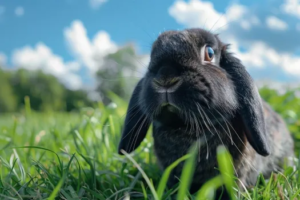
Preventing and Controlling Rabbit Colibacillosis
Rabbit colibacillosis (mucoid enteritis), caused by Escherichia coli, strikes weanling rabbits hardest with high death rates from watery, jelly-like diarrhea and dehydration. Prevention hinges on steady high-fiber feeding, clean dry housing, insect and rodent control, and feed-additive or vaccine prophylaxis.

Why Is Your Goldfish Floating Belly-Up?
Many things cause a goldfish to float belly-up — low oxygen, poor digestion, swim bladder imbalance — and each needs different treatment. This article analyzes the causes.
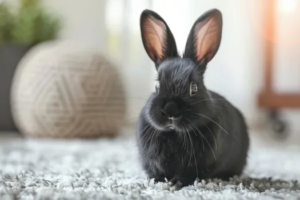
Rabbit Constipation: Causes and How to Prevent It
Rabbit constipation, common in young and old rabbits, comes from dry hardened gut contents due to poor feeding, too much concentrate, low water, or too little exercise, and can block the gut. Signs are poor appetite, hard small stools, then no stool with a painful belly and palpable hard masses. Prevent with balanced feed and water plus exercise; treat early with greens and, for severe cases, sodium sulfate or salt laxatives.

Common Parrot Eye Diseases and Treatment
Parrots commonly face keratitis, conjunctivitis, and cataracts. Keratitis ranges from surface scratches (tearing, light sensitivity) to deep or penetrating wounds threatening sight, treated by removing debris and antibiotic drops in dim light. Conjunctivitis from injury, vitamin lack, or infection needs boric-acid rinses and chloramphenicol; cataracts need surgery, so prevent with good hygiene and peace.
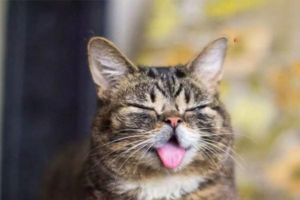
How to Care for a Senior Cat
Cats are considered seniors after age 10, showing fading senses, weaker appetite, and reduced mobility. Good care means easy access to litter boxes and water, a diet matched to calorie needs with added supplements, gentle play, and close daily monitoring for illness as immunity declines.
Preventing and Treating Rabbit Paratyphoid (Salmonellosis)
Rabbit paratyphoid (salmonellosis) is a zoonotic infection spread by contaminated feed and water, rodents, and flies; signs range from sudden death to diarrhea, wasting, and abortion in pregnant does. Control it by excluding vectors and vaccinating does, and treat with chloramphenicol, oxytetracycline, streptomycin, or sulfonamides.
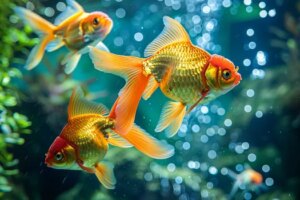
Why Is Your Goldfish Sitting at the Bottom and Not Moving?
Many things cause a goldfish to sink and stay still — wrong medication, poor water, new-environment stress, wrong temperature — but it may also just be hiding or sleeping. This article details the reasons.