Search Results
902 results for “illness sign”
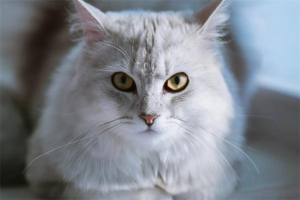
How Do a Cat’s Pupils Change?
A cat's pupils shift constantly, driven by light, mood, and health. In bright light they narrow to thin slits to protect the retina; in dim light they widen into round openings to gather more light. Emotion plays a role too—pleasure or excitement can shrink the pupils to fine lines, while fear or anger makes them blow up into wide circles, offering a window into how your cat feels. Pupil changes can also signal illness: uneven or misshapen pupils may point to infection or abnormal eye pressure, and warrant a vet visit.

How to Tell if a Hamster Is Cold
Hamsters feel the cold far more than cats or dogs, with a comfortable range of 20–25°C. Below 20°C they start to chill; below 10°C they slow down and risk colds or pneumonia; below 5°C they may enter a dangerous pseudo-hibernation. You can tell a hamster is cold by taking its temperature (under 37°C under the arm or thigh), feeling that it is cooler than usual, or spotting shivering, purple-tinged gums, low energy, poor appetite, and nest-building with bedding. If it goes still with a faint heartbeat, act fast to warm it—pseudo-hibernation can be fatal.

Why Does My Dog Bark Constantly?
Constant barking can signal basic needs (hunger, thirst), fear, stress, loneliness, or a bid for attention. Identify the cause and meet the dog's needs; training and companionship help. Note that pain or illness can also cause nonstop barking, so watch for other symptoms.

Why Does My Cat Cry at Night and What to Do
Nighttime cat crying can stem from hunger, thirst, litter needs, loneliness, boredom, or illness. Meet basic needs with scheduled food/water and clean litter, give play and attention, and see a vet if other symptoms appear.

What to Do When Your Dog Has a Cold and Cough
Caring for a dog is like raising a child - feeding, shelter, and sickness all fall to you, and the common cold is near the top of the list. A dog with a cold looks defeated: ears down, eyes shut, motionless in the bed, with a rising temperature (adult dogs run below 39.2C, puppies 38-39C; above 39C means fever). It also coughs, has a runny nose, red conjunctiva, poor appetite, and shivers from the cold. Do not bathe a sick or coughing puppy - bathing strips a protective layer and lowers immunity. Keep the sleeping area warm with a blanket or hot-water bottle, dress the dog for walks, and keep the bed out of drafts. For the cough and runny nose, a half-packet of children's cold granules three times a day for about a week helps; dog-specific supplements are an option too. Feed nutritious food like beef and vegetables to build resistance, and catch illness early.

Common Diseases of Ornamental Fish
Scale loss, fin rot, fin congestion, saprolegniasis (cotton fungus), and cloudy eye are common ornamental fish diseases. Even careful keepers can't fully prevent them, so observe fish daily for early signs. Most sick fish show reduced appetite and activity; act on these promptly. Keep water clean, since fouled water easily causes illness.

Common Goldfish Diseases and Their Prevention
Common goldfish diseases include white spot (ich), cloudy eye, saprolegniasis, enteritis, fin/tail rot, and dropsy (pinecone disease). Learn these to prevent and lower illness risk. Water quality is the main health factor—keep it clean with regular changes and cleared waste to avoid bacterial growth and infection. Keep temperature steady and oxygen sufficient.

Why Is a Young Kitten Cold and Weak?
A cold, weak kitten may be from low temperature, poor nutrition, lack of security, or illness. Newborns can't regulate temperature, so cold environments drop their body heat. High nutritional need means shortage causes weakness and low temperature. Early separation from the mother or threats causes stress. Illnesses like respiratory infection or indigestion also cause it. Respond with warmth, nutrition, treatment, and a safe environment.

Notes on Keeping Goldfish in Winter
Winter's low temperature slows goldfish metabolism and weakens immunity, so adjust diet and water changes. Reduce feeding amount and frequency and lower change frequency. Avoid adding new fish in winter. Watch their condition for early signs; manage diet and water changes to lower illness risk.

Why Dogs Lose Appetite and What to Do
Dogs may refuse food for many reasons - unpalatable meals, physical discomfort, indigestion, illness, internal parasites, or being in heat. Identify the specific cause and respond accordingly. If the problem is food- or stomach-related, adjusting the diet and aiding digestion usually helps; if it is illness, prompt veterinary care is needed.