Search Results
15 results for “hutch disinfection”

Productive Lifespan of Breeding Rabbits
A breeding rabbit's best years are the first one to two, with productivity then falling 15 to 20 percent a year, so renew stock every 2 to 3 years. Give breeders a clean, dry, well-ventilated hutch, breed in spring and autumn, cool them in summer, and keep them warm below 5°C.
Comprehensive Prevention of Rabbit Respiratory Disease
Respiratory disease is common and harmful, so prevention matters. This guide gives seven farm-level measures — siting, drainage, management, quarantine, disinfection, vaccination, and water medication.

Key Points for Rabbit Care in October
October brings big day-night temperature swings and the molting period, raising disease risk, so the focus is protecting pregnant does through each pregnancy stage and preparing the kindling box, storing dried forage, and preventing contagious disease with vaccination, stable warmth, and weekly disinfection.

Symptoms and Treatment of Rabbit Ear Mange
Rabbit ear mange is a highly contagious skin disease caused by mite infestation, usually the result of poor hygiene. Infected rabbits scratch their ears constantly and shake their head, and may also show lethargy, restlessness, and loss of appetite; if left untreated the infection can spread and become life-threatening.

Rabbit Hemorrhagic Disease (Rabbit Plague): What to Do
Rabbit hemorrhagic disease, also called 'rabbit plague', is a highly fatal disease that can wipe out many rabbits at once. Learn how to recognize it, prevent it, and what treatment options exist.

How to Prevent and Treat Rabbit Toxoplasmosis
Rabbit toxoplasmosis is a serious parasitic disease best treated with sulfonamide drugs. This guide covers the clinical signs, the standard medication regimen, and the sanitation measures that prevent infection.

Breeding Rabbits: Reproductive Period and Best Use Years
Quality breeding stock lifts litter rates and kit health. Rabbits breed 4–5 years but peak at 1–2; manage housing (raised, dry, clean), season care, and disease prevention (vaccines, coccidiosis meds, regular disinfection) to get the most from them.
How often should a rabbit’s bedding be changed?
Change rabbit bedding about weekly to avoid bacteria and infection. Keep the hutch clean: daily cleaning, weekly bedding change, regular disinfection and health checks.

Japanese White Rabbit
The Japanese White Rabbit is essentially the large white rabbit grown in Japan, also called the Japanese Large White. Said to descend from a cross of Chinese and Japanese white rabbits, it is a common breed mainly used for production. It matures early, grows fast, tolerates coarse feed, is a good mother with strong fertility, and is often used as a "foster mother" rabbit.
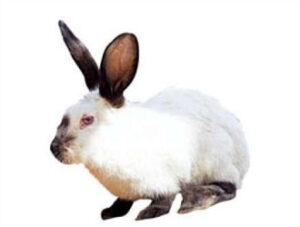
Californian Rabbit
The Californian Rabbit is a world-famous meat rabbit breed, developed artificially with stable genetics. It can be used for meat production or crossbred with other breeds, and is valued for disease resistance and fast growth.