Search Results
30 results for “hunting instinct”

Why Does Your Cat Suddenly Dart Around the House?
When a cat suddenly tears around the house, pounces at empty air, or arches its back and puffs up, it is usually showing what veterinarians call Frenetic Random Activity Periods (FRAPS)—a normal behavior, especially in kittens and young cats. The triggers are mostly instinctual: a retained hunting drive, excess energy, stress, or heat in unspayed cats. Occasionally, frantic running signals a health problem such as hyperthyroidism, a neurological disorder, or a parasitic infection, particularly when paired with appetite loss, weight drop, or lethargy. Meeting the cat's exercise needs with toys and play, plus a calm, safe environment, keeps normal zoomies harmless and happy.

Why Does Your Dog Bite Your Pant Legs? (And What It Means)
When a dog grabs and tugs at your pant leg, it is rarely out of spite. Most often the dog is trying to get your attention, invite you to play, or signal a need such as an empty food bowl. The swaying fabric can also trigger an inherited prey drive, since a moving pant leg looks like something to chase. In some cases—especially when you pick up keys or put on shoes—it signals separation anxiety: studies show a large share of dogs chew scent-bearing items to soothe themselves when they sense you are leaving. The fix is consistency: ignore the behavior, reward calm following, offer chew toys, and meet the dog's exercise needs. Understanding the motive behind the bite is the first step to changing it, and learning your dog's other body-language cues helps you bond.

How to Tell If Your Cat Is Full?
Many cat owners worry their pet is still hungry and keep topping up the bowl, but overfeeding causes indigestion and obesity. To judge whether a cat has eaten enough, watch its post-meal behavior: full cats groom themselves, leave the feeding area, and settle in a sunny, comfortable spot to rest, while hungry cats linger near the food. In multi-cat homes, satisfied cats may even groom each other. Free-fed cats show weaker cues because constant access lowers food excitement. Note that two behaviors are NOT signs of hunger: guarding the food storage (common in newly arrived, unsettled cats) and showing interest in your own meal (an opportunistic scavenging instinct). Control daily portions by age, health, and appetite to keep your cat at a healthy weight.
How to Stop a Cat From Scratching and Biting
Cats scratch and bite for many reasons: seeking attention, defending resources, fear or pain, new environments, or overstimulated play. Fix it with patience, not punishment. Build trust with affection and treats, reward calm behavior, avoid scaring the cat, and give it a safe play space with enough toys. If aggression persists from fear or stress, seek help from a veterinarian or a professional trainer.

Adanson’s Mud Turtle
The Adanson's Mud Turtle is a small, seldom-seen aquatic turtle from central Africa, a minor member of the African side-neck genus. Although not internationally listed as endangered, it is rarely traded.
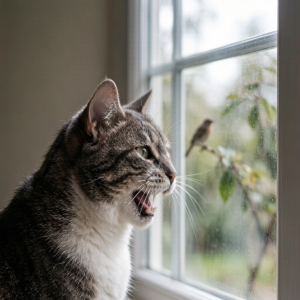
A Strange Cat Vocalization: the ‘Bird-Watching’ Chatter
Scientists think a cat may make up to 80 different sounds - meows, growls, hisses, screams. The 'bird-watching' vocalization may be the most interesting, made only by cats.
Why Are Cats Afraid of Cucumbers?
Many cat owners are puzzled by the now-familiar sight of a cat leaping away from a cucumber placed nearby. This fear usually stems from a combination of instinct, vision, smell, and learned experience. Cats are naturally alert and cautious around sudden, unexpected objects, and a long green cucumber can trigger a strong startle response—some cats even mistake it for a snake. Their highly sensitive noses may also react to the vegetable's scent. A bad past encounter can create a lasting phobia. Understanding these triggers helps owners avoid deliberately scaring their cats, since such shocks can cause real stress and even illness.
What Type of Cat Scratching Post Suits Your Cat?
Cats scratch by instinct: sharp claws suit hunting, and scent glands in the paws mark territory. They also scratch from boredom, so without a proper post your sofa and sheets pay the price. Posts come in many forms, flat or vertical, round or square, post or tree, cardboard or sisal. Cardboard is cheap and easy but sheds and wears fast; sisal rope lasts far longer and needs little coaxing; fabric-wrapped posts are tough and versatile. Beyond material, pick one that is stable and tall enough for a full upward stretch, since vertical scratching fits a cat's natural motion.
How Cats Eat and Drink: Healthy Habits
In the wild a cat eats up to twenty small meals a day, so free access to food suits its nature better than one or two big bowls. Feeding a single staple with the occasional treat, using puzzle feeders for mental stimulation, and placing water bowls away from food all mirror feline instinct. This guide covers sensible feeding and safe drinking setups for indoor cats.
Why People Are More Tolerant of Cats
Regulators treat dogs more strictly than cats, and it starts with ancestry. Dogs descend from wolves and, without a human 'alpha,' can revert to aggression and form hunting packs, so large breeds are restricted. Cats domesticated themselves, stay solitary, and rarely attack people, so rules are looser. Leash and muzzle your dog regardless.
- « Previous
- 1
- 2
- 3
- Next »