Search Results
4338 results for “how to pet a dog”

Why Does My Dog Bark Constantly?
Constant barking can signal basic needs (hunger, thirst), fear, stress, loneliness, or a bid for attention. Identify the cause and meet the dog's needs; training and companionship help. Note that pain or illness can also cause nonstop barking, so watch for other symptoms.

What to Do About Your Dog’s Bad Breath?
Dog bad breath often comes from poor oral hygiene, periodontal disease, diet, or internal illness. Brush several times a week (daily for wet-food dogs) with pet toothpaste, feed dry kibble, keep regular meal times, and see a vet if it persists to rule out gut or kidney disease.

Will Dogs Fight with Cats?
Whether dogs and cats get along depends on individual personality and social experience. Some become close companions, while a dog's hunting instinct or a cat's fear can spark conflict, so careful introduction and separate resources matter.

Dog Nasal Congestion: Symptoms and Causes
Dog congestion shows as troubled breathing, low energy, watery eyes, poor appetite, and a changed voice; colds add coughing, sneezing, and fever. Causes include viral infection, bronchitis/rhinitis, or blockage (tumor, sand). Check the nose, rinse with 3% boric acid per vet advice, and see a vet if it persists.
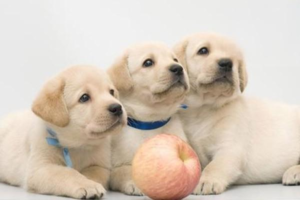
Is Your Dog Sick If Its Nose Is Running
A dog with a runny nose is not automatically sick - mild cases often clear up on their own, so do not panic. But watch for loss of appetite, cough, vomiting, or loose stool, which mean something more serious. The discharge type is a clue: clear watery fluid suggests a cold or rhinitis; thick egg-white mucus points to an upper respiratory infection or bronchitis; yellow-white sticky mucus signals sinusitis; pus-like, pasty discharge suggests distemper, pneumonia, or bronchitis; and blood-tinged or foamy fluid warns of lung bleeding, edema, or congestion. If it is only a simple cold, keep the dog warm, give water, and a little children's-dose banlangen or antiviral oral liquid for about three days - but stick to a child's dose.

How Important Is Keeping Your Dog Warm in Winter
Puppies, sick dogs, seniors, and pregnant or nursing dogs need extra warmth; other dogs are not very cold-sensitive while active, but in cold regions you must still insulate the dog house, bed, and crate. Cold weather also cuts appetite for clear reasons: less exercise slows digestion and causes food to sit; shorter walks lower calorie need; colds and flu suppress appetite; and cold or frozen food and water cause diarrhea. Protect your dog by expanding indoor space when walks are impractical, dressing puppies or dogs in cold spots, serving warmed food and water (never cold), avoiding overfeeding, drying the coat fully after baths, and walking at the warmest midday hours. New winter dog owners should be especially careful with warmth, clean bedding, and not overfeeding sleepy puppies.

What to Do When Your Dog Has a Cold and Cough
Caring for a dog is like raising a child - feeding, shelter, and sickness all fall to you, and the common cold is near the top of the list. A dog with a cold looks defeated: ears down, eyes shut, motionless in the bed, with a rising temperature (adult dogs run below 39.2C, puppies 38-39C; above 39C means fever). It also coughs, has a runny nose, red conjunctiva, poor appetite, and shivers from the cold. Do not bathe a sick or coughing puppy - bathing strips a protective layer and lowers immunity. Keep the sleeping area warm with a blanket or hot-water bottle, dress the dog for walks, and keep the bed out of drafts. For the cough and runny nose, a half-packet of children's cold granules three times a day for about a week helps; dog-specific supplements are an option too. Feed nutritious food like beef and vegetables to build resistance, and catch illness early.

Can Dogs Eat Bayberries (Waxberries)?
Dogs can eat bayberries in moderation. Bayberries are rich in vitamin C, minerals, and dietary fiber, which can support a dog's immunity. However, dogs digest fruit poorly, and too many can cause indigestion, soft stools, or diarrhea, so control the amount. The pits are large and may cause constipation or even intestinal blockage, so always pit them or serve as diluted juice.

Should You Wash Your Dog’s Paws After a Walk?
Washing your dog's paws after a walk is worthwhile: paws pick up debris that, if not cleaned, can smell or cause infection. Dirty paws also soil floors and belongings at home. Rinse paws before entering and dry the fur promptly to avoid prolonged dampness.

Signs of Overexertion in Dogs
An overexerted dog may pant with tongue out, lie limp and unmoving, lose appetite, and in severe cases become dehydrated. Long-term over-exercise leads to weight loss and lethargy. Control exercise by breed, size, age, and fitness; puppies need under 30 minutes daily without intense activity, and dogs with joint or heart disease should only walk.