Search Results
4338 results for “how to pet a dog”

Do Dogs’ Eyes Redden with a Cold?
A dog's eyes usually don't redden from a simple cold—redness more likely means fever. Take the temperature; if high, see a vet. Eye redness with a cold can also mean low immunity and conjunctivitis.
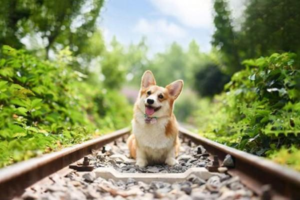
Dog Bad Breath? Tartar May Be the Culprit
A sudden foul odor from your dog's mouth is often a sign of tartar. The buildup irritates the periodontal tissue, causing bad breath and periodontitis. Have the teeth professionally cleaned, switch from soft food to kibble, and brush regularly to stop it from returning.

Why Skipping Your Dog’s Toothbrushing Leads to Oral Disease
Many owners never think to brush their dog's teeth until a vet visit reveals the problem. Long-term neglect allows plaque to harden into tartar and progress to gingivitis and periodontitis, with studies showing up to 80% of 7–8-year-old dogs affected. Routine brushing with dog-specific tools is the most effective prevention.

How to Correct Your Dog’s Habit of Eating Too Fast
Eating too quickly is an unhealthy behavior in dogs and can lead to serious digestive conditions such as gastric dilation and bloat (gastric torsion). This guide explains why dogs bolt their food and offers practical training methods—slow-feeder bowls, smaller and more frequent meals, and food enrichment—to help them slow down.

How to Train Your Dog’s Obedience
Building a dog's obedience starts with trust, clear rules, and positive reinforcement. Train in short daily sessions, reward good behavior, stay patient, and avoid harsh punishment—and seek a professional trainer if you get stuck.

Is It Necessary to Buy Toys for Your Dog?
Buying toys for your dog is a worthwhile investment in its wellbeing. Toys keep a dog active when home alone, ease anxiety and boredom, satisfy natural chewing instincts, and strengthen the bond between you and your pet. A few well-chosen toys support both physical health and mental balance.

Do Dogs Have a Rebellious Phase?
Yes—dogs go through a rebellious phase, usually between 6 and 12 months of age. Typical behaviors include acting up, ignoring commands, accidents in the house, boundless energy, aggression, refusing training, and sneaking off. Hormones surge much like human adolescence, and environmental or social changes add to the defiance. The right response is patience and positive guidance, not harsh punishment: give love and understanding, step up training and socialization, keep a stable routine, and seek a professional trainer if needed. With consistency, your dog will grow through this stage.

What Causes Intestinal Intussusception in Dogs?
Intestinal intussusception in dogs is mainly caused by intestinal stasis, twisting, or prolapse, and playful puppies with big appetites are especially prone. Over-hunger, cold milk, poor food, and cold water can trigger it, as can secondary diseases. Symptoms include vomiting, abdominal pain, and appetite loss; seek veterinary care promptly to avoid a life-threatening blockage.
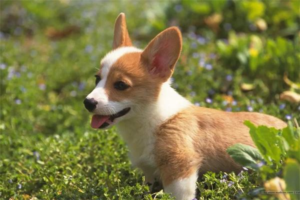
Why Won’t My Dog Let Other Dogs Sniff Its Behind?
Butt-sniffing is how dogs greet and exchange information like sex, age, and health. A dog that refuses may be shy or timid, have had a bad social experience, or lack trust with the other dog. Respect its comfort and build trust through safe, gradual socialization.

What to Do If Your Dog Swallows a Foreign Object
If a dog swallows something, stay calm and judge the risk. Sharp, long, magnetic, corrosive, or battery items, or any with pain, vomiting, or breathing trouble, need immediate vet care. Do NOT induce vomiting blindly—it can cause further injury. Small smooth items with no symptoms may pass at home.