Search Results
4338 results for “how to pet a dog”

Can Parvovirus Spread Between Dogs?
Parvovirus spreads readily between dogs through contact, feces, blood, food, and even air, especially where dogs gather like parks and kennels. Puppies show vomiting and bloody diarrhea, so prompt vet care and keeping unvaccinated dogs home are key.

Does Every Dog Carry Rabies Virus?
Not every dog carries rabies, most healthy dogs do not, because the virus is caught, not born with. An infected dog usually shows signs within about ten days, and the surest protection is routine vaccination.

What Causes Parvovirus in Dogs
Parvovirus is a severe, highly contagious gut disease in dogs that spreads by contact with infected feces, blood, food, or air, especially in parks and kennels. Puppies show vomiting and diarrhea that can turn bloody, so fast vet care and rehydration are key.

Can Dog Feces Carry Rabies Virus?
Rabies virus is found in an infected dog's brain, saliva, and salivary glands, not in its feces, urine, or hair, which are not infectious. The real risk is a bite or scratch, and any such wound needs immediate cleaning and a rabies vaccine.

Can Dog Hair Carry Rabies Virus?
Rabies virus lives in the saliva and nerve tissue of an infected dog, not in its hair, so simply touching a dog's coat cannot transmit rabies. Infection comes from a bite or scratch, and any bite should be cleaned at once and followed by a rabies vaccine.

Dog Coronavirus: Treatment and Recovery
Dog coronavirus spreads through contact with infected feces and causes sudden vomiting, diarrhea, and lethargy, with cases able to relapse 14-21 days after signs fade. Supportive care, vet-prescribed meds, and gut-resting food let most dogs recover, but severe cases need a hospital.

What to Do When Your Dog Has Blood in Its Stool
Blood in a dog's stool can come from something mild like a sudden food change, or from serious issues like gastroenteritis, an intestinal tear, or infections such as parvovirus. Match the cause to the right response, and see a vet whenever the bleeding is severe or unexplained.
Why Your Dog Keeps Vomiting Yellow Foamy Fluid
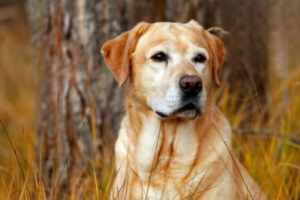
A dog that repeatedly throws up yellow, foamy fluid usually has poor gut motility from dehydration, irregular feeding, or a bad environment, or it ate too fast, human food, or additive-heavy items that strain the liver and pancreas. Parasites and gastritis (acute or chronic) are other causes; watch energy and appetite, and use a probiotic plus bland food for gastritis.

What to Do When Indigestion Causes Your Dog to Vomit
Indigestion is the top cause of dog vomiting, and severe cases bring mucus, stomach fluid, undigested food, even blood and diarrhea. Causes are unclean food or bowls, overeating, and sudden food switches. Fix hygiene, fast one to two days then feed bland food, and use a probiotic after a switch.

Why Is Your Dog Vomiting Green Fluid?
Green vomit is uncommon but serious. It can mean gastritis (with prior diarrhea and poor appetite), a heavy parasite infection (thick green fluid with eggs), or cholecystitis — for which there is no specific home drug and a vet is needed. Act fast; delay can be fatal.