Search Results
4345 results for “how to pet a dog”

Diseases Behind a Dog’s Rapid Panting
Panting is shallow, upper-airway breathing that cools a dog fast, normally brief after exercise. But constant rapid panting can signal respiratory disease, collapsed trachea, airway obstruction, hypoxia, bronchitis or pneumonia, heartworm or heart failure, or obesity. Match the cause to the treatment.

Habits That Age Your Dog Too Fast
Some everyday choices speed up a dog's aging. High-salt food strains the kidneys, fur dye harms skin and heart, seafood upsets a fragile gut, confinement breeds illness and depression, and skipping deworming invites parasites. A little care goes a long way.

What to Do About Bad Dog Breath
Bad breath often starts in the mouth, but it can also signal metabolic disease. Check the teeth for tartar, inflamed gums, or ulcers, and watch for sudden appetite or thirst changes that warrant a vet visit. Daily or thrice-weekly brushing with pet toothpaste, plus professional cleaning, keeps breath fresh.
Precautions for Walking Your Dog
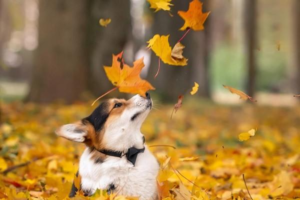
Dogs need outdoor exercise, but it must be moderate. Three habits to avoid: walking right after a meal, making your dog jump obstacles, and using stairs as exercise. After exercise, clean the paws, and in summer offer water often to prevent heatstroke.

What Are the Symptoms of Kidney Disease in Dogs?
Kidney disease comes in two forms, acute and chronic, and kidney tissue cannot regenerate. Once damage is done it is permanent, and signs appear only after two-thirds to three-quarters of kidney function is lost. Early warning signs include changes in urination, increased thirst, lethargy, poor appetite, and digestive upset. Late-stage failure brings severe, unmistakable symptoms. Recognizing these signs early gives your dog the best chance at management and comfort.

Should You Hit a Dog That Won’t Listen?
Every dog owner eventually faces a stubborn pup that does the opposite of what it is told. The instinct to hit can be tempting, but physical punishment rarely teaches good behavior and often backfires. Hitting makes a dog timid, fearful of its owner, or even resentful, leading it to hide, refuse to come home, or act out with revenge behaviors like soiling the house. Instead of raising a hand, build trust by feeding the dog yourself, training patiently from puppyhood with rewards, and bonding through regular companionship and gentle petting. A dog that feels safe and trusted is far more willing to listen.

Can Pets Take Human Medicine?
When a pet falls ill, many owners reach for human medication, but giving pets human drugs is dangerous and has caused countless fatalities. There is a real difference between human, animal, and pet formulations. This article explains why human medicine can be fatal to pets, how dosages misfire, and the risk of drug resistance, and reminds owners to consult a vet instead.

Common Oral Diseases in Dogs
Many owners struggle with their dog's bad breath and the distress of dental pain. This article shares the common oral diseases behind that odor and how to prevent and treat them. From tartar and gingivitis to periodontal disease, cavities, broken teeth, and malocclusion, understanding the causes is the first step to a healthier mouth.

Key Things to Know About Dog Deworming
Parasites split into external (fleas, lice, ticks, mites) and internal (coccidia, tapeworm, roundworm, hookworm, giardia). Suspect worms if: scratching and scooting rise; black specks on the coat; a non-pregnant dog with a swollen belly but thin frame and bigger appetite (heavy load); cough, fast breathing, low energy, or sleepiness without other illness; or worms in the stool (bring a sample to the vet). Start around 1 month old (mothers pass parasites on). Frequency: puppies internal every 3 months, external monthly; adults every 6 months. Dose by weight/age per label or vet; give 3 hours after meals (mild gut irritation). Vaccines aren't dewormers—wait 7 days post-vaccine. No single drug kills all types, so target the parasite with your vet; keep the environment clean.
Why a Dog’s Nose Changes Color
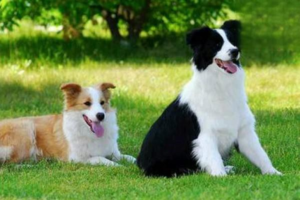
A healthy dog's nose is usually cool and moist, and a warm, dry nose alone doesn't prove illness—waking, hard exercise, heat/cold exposure, or old age do the same. Real fading comes from: age (pink as a pup darkens, then lightens in seniors as tyrosinase and melanin drop); illness or heat (returns after); season—'snow nose' in winter, returning with warmth; trauma (pink while healing); poor nutrition (low melanin); genetics/Dudley nose (permanent, harmless); allergy (contact dermatitis from plastics/metal—use glass/stainless); bacteria (swelling, crusts—vet); and vitiligo (immune, white patches, harmless). Protect a pink nose from sun; see a vet for bloody, foul discharge with weakness.