Search Results
4345 results for “how to pet a dog”
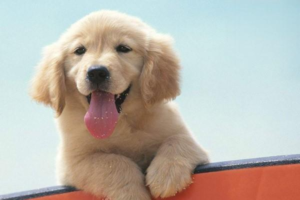
Why Is Your Dog Drooling So Much?
A dog that drools a lot is not always just greedy. Drooling has many causes, and often it is a signal of illness worth noting. It may be dental problems or teething, a throat obstruction or injury, fear and anxiety, overheating, old age, or even car sickness. Most drooling is normal behavior, but if disease is suspected, see a vet.

Why Pets Gain Weight After Spaying or Neutering
An intact cat's base metabolic rate is about 30 percent higher than a neutered cat's, so the same food leads to faster weight gain after the procedure. Obesity raises the risk of heart disease, diabetes, high blood pressure, arthritis, fatty liver, and more. The fix is diet and exercise: feed timed, smaller, high-protein low-fat meals, drop the treats, and keep moving, with low-impact activity like swimming for joint-prone breeds.

How to Repel Mosquitoes in Summer With Pets at Home
Pyrethroids are common in human mosquito products because they work and are cheap, but cats cannot metabolize them and long-term use can damage the brain and cause organ failure, even death. DEET is far less toxic to cats and the EPA rates it nearly non-toxic to mammals, though keep it away from cats in quantity. Safer still are physical methods: screens, nets, mosquito swatters, and pet-safe repellent lamps used when no one is home.

Symptoms and Treatment of Obesity in Cats and Dogs
Obesity is a nutrition disorder; by international standard, 10 to 15 percent over ideal weight counts as obese, and a body condition score gives a clearer read. In developed countries 10 to 40 percent of dogs and over 20 percent of cats are obese. Causes split into simple obesity from genes, overfeeding, and little exercise, and secondary obesity from hormone or endocrine disease. Diagnosis uses exams, body scoring, and lab work, and treatment is diet, more exercise, and managing any underlying disease.

How to Tell If Your Cat or Dog Has Glaucoma
Glaucoma is a common eye disease in cats and dogs where blocked fluid drainage raises eye pressure, damages the optic nerve, and can end in blindness. It always comes with high eye pressure. Signs include a cloudy or enlarged eye, a fixed dilated pupil, vision loss, redness, and head pressing. Diagnosis uses eye-pressure and fundus exams, and treatment ranges from pressure-lowering drugs to, in severe pain, removal of the eye.

Are Mosquito Coils Toxic to Cats and Dogs?
Pyrethroid coils are safe for people and dogs in small doses but are highly toxic to cats, which can't metabolize them. DEET repellents can cause nervous-system problems in both. If a pet shows vomiting, drooling, uncoordinated movement, or seizures, seek a vet at once. Repel mosquitoes physically, with plants, or by isolating pets during use.

Symptoms and Treatment of Gastroenteritis in Dogs
Gastroenteritis is the general name for acute or chronic inflammation of the stomach and intestinal lining. Because dogs and cats are meat eaters, the causes are many, from bacteria, viruses, and parasites to drugs and bad food, so diagnosis must be precise. Most cases show on-and-off vomiting and diarrhea, with foam or yellow bile in the vomit. A vet should treat it early, with care centered on fasting, fluids, nutrition, and stopping the vomiting and diarrhea.

Is Urination a Good Sign When a Dog Has Parvovirus?
A dog with parvovirus passing urine is not, by itself, proof of recovery; the real sign is whether the stool becomes formed. A lack of urine often means dehydration from prolonged vomiting and diarrhea. When the dog starts passing formed stools and its energy and appetite return, it is on the mend. Parvo is a fierce, contagious disease, especially in unvaccinated puppies, so early veterinary care is vital.

What Is Storage Disease in Dogs?
Storage disease is a hereditary metabolic disorder where certain substances build up abnormally in the body's tissues. The two most reported forms in veterinary medicine are lysosomal storage disease and glycogen storage disease. It strikes dogs and cats, is very rare, and appears early in puppies and kittens because it is inherited. Nerve-related signs include poor growth, ataxia, seizures, exercise intolerance, behavior changes, and vision loss. Diagnosis uses blood, urine, imaging, biopsy, and enzyme tests; care is supportive, and affected dogs should never be bred.
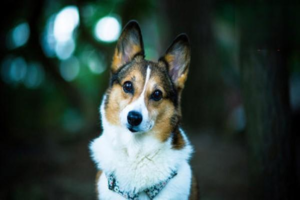
How to Tell If Your Dog Has an Eye Problem
Eye trouble shows as constant cloudy tears, hardened gunk, rubbing or bumping the eye, swollen or red lids, bulging (glaucoma), white clouding (cataracts), or entropion/ectropion. Clean with pet eye drops and wipes daily; correct lids and cornea with vet care. Flat-faced and loose-skinned breeds need extra caution.