Search Results
1256 results for “how to hold a cat”

Don’t Let Summer Ruin Your Dog’s Ear Health
Hot, humid summers spike ear disease, especially in drop-eared breeds like Cockers, Beagles, and Basset Hounds. The four usual offenders — outer and inner ear infections, fungal overgrowth, and ear mites — all need a vet's lab confirmation and proper pet medication, never human products; the fix is prevention: dry, clean ears and regular checks.

How to Keep a Puppy Warm in Winter
Young puppies have almost no fat reserve and chill easily, so line the bed with old blankets, keep the sleeping area above 13°C, and block every draft. Sunlight, a little extra fat- and vitamin-A-rich food, and avoiding cold drafts all build cold resistance; first-time owners are better off waiting for warmer weather before bringing a puppy home.

A Guide to Pet Vaccinations
Core cat vaccines — the FVRCP combination and rabies — protect against panleukopenia, calicivirus, herpesvirus, and rabies, and are recommended for every cat. Start the FVRCP series no earlier than six weeks, finish after 16 weeks, and keep boosters on schedule while watching for post-shot side effects.

What Are the Symptoms of Rabies?
Rabies is a bullet-shaped rhabdovirus that destroys the brain and is always fatal once symptoms appear. It spreads through the bite of an infected animal, runs through a long incubation then either a dumb (paralytic) or furious form, and can only be prevented through vaccination and prompt wound washing.

How Much to Feed a Kitten Per Meal
Kibble is the healthiest everyday choice because it meets a cat's full nutritional needs and stores easily, but portion control matters — overfeeding helps no one. Let a kitten eat its fill in about eight minutes and clear the bowl after 20–30 minutes, and feed kittens four to five small meals a day versus one or two for adults.

How to Feed a Kitten: Schedule, Diet, and Foods to Avoid
Kittens need frequent small meals of quality kitten food — at least three a day under six months — with fixed times and a clean, quiet spot to eat. Never give cow's milk (most cats are lactose intolerant), cooked bones, chocolate, grapes, onions, or raw meat and eggs; switch to adult food gradually over 5 to 7 days around the first birthday.
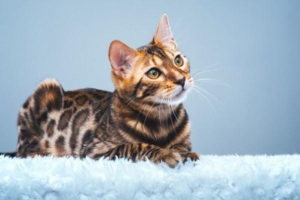
Why Newborn Kittens Die: Common Causes of Fading Kitten Syndrome
Most fading kittens die from preventable causes: the mother's low milk supply, being crushed in an undersized nest box, injury and infection, or chilling. Watch for a thin belly and constant crying (signs of hunger) and keep the whelping area warm and roomy — at least 40×40×40 cm, or 60 cm per side for large breeds like Ragdolls.

How to Treat a Rabbit’s Wounds
Rabbits easily pick up minor scrapes and cuts, and any wound should be cleaned and disinfected promptly to prevent infection. For deep or large wounds, proper bandaging with sterile supplies is needed, while severe trauma requires veterinary care. Keep an E-collar on your rabbit until the wound has fully healed to stop licking.

What to Do If Your Dog Has Eyeworms
Eyeworms (Thelazia callipaeda) are milky-white nematodes that live beneath a dog's eyelids and are transmitted by flies, causing tearing, redness, and corneal ulcers. They are cleared with pet-safe eyeworm drops such as levamisole, followed by flushing and antibiotic ointment, or removed by a veterinarian.

What to Do If Your Teddy Dog Has a Fever
A Teddy (toy poodle) can run a fever from weather changes, rain, or not being dried properly after a bath. Bring the temperature down with physical cooling such as alcohol wipes or an ice pack, but never use human cold medicine, and see a vet if it passes 40 °C.