Search Results
1256 results for “how to hold a cat”

Dog Otitis Externa: Symptoms and Treatment
Otitis externa is inflammation of the outer ear canal, marked by intense itching, head shaking, and a foul-smelling discharge, and is common in floppy-eared dogs. Treat it early with cleaning and medication, since neglect can progress to painful middle-ear infection.

Why Chocolate Is Deadly to Dogs
Chocolate contains theobromine and caffeine, which dogs metabolize slowly; even a small amount can overwhelm the heart and nervous system. The risk scales with the dog's size and the chocolate's purity, so dark and baking chocolate are the most dangerous.

Why Dogs Get Picky in Spring (and What to Do)
Spring warmth spoils food fast and the mating season dulls appetite, so picky eating in dogs often points to gastritis, poor digestion, too many treats, parasites, or a cold. Rule out illness first, then tighten up diet, deworming, and warmth.

What to Know Before Your Pet’s Surgery
First-time surgery owners can feel lost. Routine procedures (spay/neuter, dental) can be booked by phone; pathological ones (lump removal, fracture, pyometra) need an exam first. Fast 8 hours (6 for young animals) and withhold water 2–3 hours, and avoid scheduling during heat.

What to Do When Your Dog Has Canine Distemper
Canine distemper is a highly contagious viral disease that hits unvaccinated puppies hardest, causing fever, respiratory signs, and in severe cases lasting neurological damage. Early veterinary care, supportive nutrition, and thorough disinfection are the keys to survival, while vaccination remains the only reliable prevention.

Canine Parvovirus: What Every Dog Owner Should Know
Canine parvovirus is a highly contagious, often fatal disease, especially in unvaccinated puppies, with a sudden cardiac form that kills within hours. Vaccination is the only reliable shield; suspected cases need immediate isolation, vet testing, and careful fluid support.

Why Dogs Lick Their Owners: What Those Licks Really Mean
Licking releases calming endorphins in a dog's brain, so it often starts as pure pleasure — but the behavior carries many messages. A lick can signal affection, anxiety, a request, grooming, a food smell, an itch, or even pain, so the context decides what your dog is really saying.
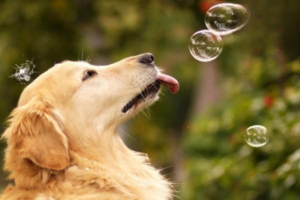
How to Get Your Dog Comfortable with Brushing
Many dogs grow to hate brushing because the first sessions were forced and painful, so the fix is gradual: let the dog meet the brush while eating, distract it with a food toy, and celebrate even a single small patch brushed. The aim early on is simply to build a calm association, not a full grooming.

What to Watch for When Buying a Teddy (Poodle)
When buying a Teddy (Poodle), insist on the vaccine certificate, try to meet the parents, and guard against 'week dogs' — sick pups doped with stimulants to look lively. A smart safeguard is to leave a small deposit and collect the puppy only after one or two weeks, confirming it is the same, still-bouncing dog; a seller who refuses that arrangement is a red flag.

Understanding and Preventing Kidney Stones in Senior Pets
Senior dogs and cats are prone to kidney stones, with causes running from meat-heavy, vegetable-poor diets and low water intake to genetics and breed — purebreds are likelier victims. Once formed, stones are hard to cure and quick to return, so prevention leans on more water, a kibble-based diet with less meat and sodium, and more vegetables; only severe cases need surgery, which carries real anesthesia risk in older pets and requires a pre-op blood panel.