Search Results
1256 results for “how to hold a cat”

Why Does My Dog Urinate in the House?
When a normally clean adult dog urinates indoors while you are out, scolding and punishment aren't the only responses to consider—why is your adult dog doing this? Puppies peeing inside is just the cost of dog ownership, so we focus on adults. Occasional accidents are normal ('nature calls'), but frequent, repeated indoor urination deserves attention, because it brings urine odor and possibly other problems. Medical causes: urinary disease (often a UTI causing random urination, usually treatable with medication); incontinence (dribbling or peeing while sleeping points to incontinence, treatable early with medication; large-area urination suggests something worse—see a vet); senior dogs (canine cognitive dysfunction makes them forget where they are, causing accidents). If your dog is healthy and not old, the cause is behavioral: intact males may mark after sexual maturity—normal—but a dog that never peed inside suddenly doing so may be stressed by household changes (a new member, a departure, new smelly or noisy objects). To change it: don't yell—catching the act in the moment matters, not the old puddle; remove or relocate the trigger; and clean thoroughly with an enzymatic cleaner that fully removes the odor so the dog doesn't remark the spot.
Preventing Autumn Diarrhea in Dogs
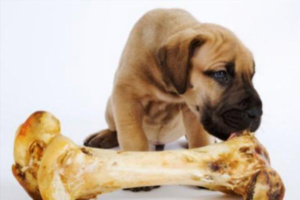
Dogs can get diarrhea in any season, usually from poor feeding habits or a habit of chewing whatever they find. Frequent bouts leave the gut fragile and hold back healthy growth, so prevention matters most when the weather turns. In autumn, sharp day-and-night temperature swings, a seasonal rise in infectious disease, and faster food spoilage all raise the risk. A warm sleeping spot, up-to-date vaccinations, and fresh, properly handled food are the three habits that keep a dog's stomach settled through the change of season.

Why Do Dogs Hate Delivery Couriers?
Many dog owners know the scene: whenever a delivery or takeout courier knocks, the family dog turns aggressive and may even attack the innocent visitor. Why does a knock at the door trigger such a loud, fierce reaction? The answer lies in a dog's territorial instinct. Before domestication, dogs strictly defended their territory, warning intruders by barking, then growling, then attacking. Early humans valued dogs precisely as living alarms. Today that instinct remains: when the courier knocks, the dog defends; when the courier leaves, the dog thinks it won. Next time the courier returns, the dog believes its earlier warning was too weak and escalates from bark to growl—and a perceived challenge can turn into a bite. To change this, reward calm behavior at the door with treats, teaching the dog that staying quiet near strangers earns a reward.

How to Potty Train a French Bulldog
Potty training a French Bulldog starts by limiting freedom with a crate or pen and picking one fixed toilet spot, such as a bathroom corner or a quiet area. Lay down pee pads, let your Frenchie out on a schedule, and reward immediately when it goes on the pad — praise and a treat teach it that the pad means good things. A small pen enclosing just the pad narrows the choice at first, then expands as the habit forms, and comes away once training sticks. Consistency and timing are what make it work.

Causes and Prevention of Enteritis in Pet Turtles
Enteritis is one of the most common illnesses in pet turtles, and it usually starts with two problems: poor feeding habits such as overfeeding or spoiled food, and infection by bacteria, viruses, fungi, or parasites. The good news is that with the right treatment—stopping diarrhea, then restoring gut function, then refeeding—most turtles recover. Even better, a few steady husbandry habits around water, tank cleaning, and feeding can prevent most cases before they begin. This guide covers both treatment and prevention.
What to Do When Your Dog Has an Upset Stomach, Vomiting and Diarrhea?
Dogs eat first and think later, so an upset stomach with vomiting and diarrhea is a frequent complaint. The right first step depends on what went in: a suspected toxin is an emergency, while a mildly irritating food can often be managed at home with fasting, fluids, and gut support. This guide explains when to head straight to the clinic, the step-by-step home care that eases symptoms, and the underlying causes—spoiled food, diet changes, or infection—that every owner should rule out, especially in unvaccinated dogs.
How to Choose a Litter Box
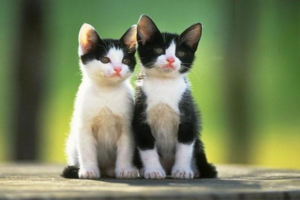
Every cat needs a litter box, and picking the right one keeps your cat using it happily. The basic choice is single-layer (best for clumping litters like clay, tofu, or paper) versus double-layer (for crystal or disintegrating wood litter with a drawer below). Covered boxes add privacy but trap moisture and bacteria, while open ones vent better. Specialty styles include toilet-style trainers, top-entry 'snail' boxes (which can trap kittens or seniors), and self-cleaning planet-shaped units great for multi-cat homes but risky if a cat enters mid-cycle. Whatever you choose, scoop daily and wash weekly — but keep a little old litter so the scent stays familiar.
How to Relieve Bloating in Rabbits
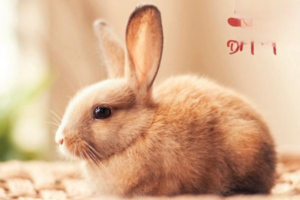
Rabbit bloating usually comes from a fragile gut, hard-to-digest food, too little fiber, or toxic intake. Stop feeding at once and withhold food so the condition doesn't worsen, then offer a probiotic to restart gut movement and gently massage the abdomen to expel gas. Cut back on concentrated feed and add more hay to speed recovery. If home care doesn't help within a reasonable time, see a vet for targeted medication, bloating is manageable but shouldn't be ignored.
What to Do When a Dog Vomits from Getting Chilled
A dog that vomits after getting chilled needs a vet check first to rule out viral disease (distemper, parvovirus, coronavirus) or a swallowed foreign object. If those are excluded, the cause is likely ordinary gastric upset. Withhold food and water briefly, keep the dog warm, and offer easily digested food once vomiting stops; probiotics and steady warmth prevent recurrence.

What to Do If Your Pet Rabbit Is Constipated
Constipation is common in pet rabbits and, when severe, leads to refusal to eat and listlessness, so it needs prompt attention. Causes include unbalanced feed with too little water, foreign material in the diet, lack of exercise, or secondary disease such as anal inflammation or gut atony. Signs are dropping appetite, weak gut sounds, small hard droppings, then no stool at all, sometimes with bloating. Treatment clears the gut with short fasting, water, abdominal massage, and, if needed, a sodium bicarbonate enema; prevention centers on greens, water, exercise, and a fixed feeding schedule.