Search Results
1256 results for “how to hold a cat”
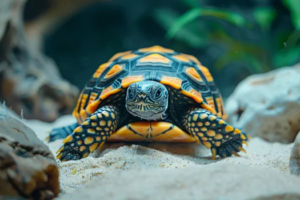
How to Build a Good Habitat for Your Turtle
A turtle needs a tank, a basking platform, and proper food, plus useful extras like a filter, basking lamp, dechlorinator, and turtle medication. Water quality and temperature are the two biggest health factors, so run a filter and use a heater to hold 25 to 30 degrees Celsius. Pick a square tank big enough for the species, give a basking spot for most turtles, treat tap water to remove chlorine, and skip risky plastic decor in favor of plants or small fish for a natural look.

Canine Infectious Hepatitis: Can It Be Treated
Canine infectious hepatitis is an acute, often severe viral disease of dogs caused by canine adenovirus type 1 (CAV-1). It spreads through urine, saliva, and nasal discharge and hits weaned puppies hardest, sometimes with no warning signs. Typical signs include a fever that rises then falls, lethargy, vomiting, diarrhea, and a characteristic cloudy "blue eye" in about a quarter of recovering dogs. While there is no direct cure that eliminates the virus, most dogs recover with prompt supportive care such as fluids, liver protection, and antibiotics to control secondary infection. The good news is that the disease is highly preventable through routine vaccination, with puppy shots given at 8-9 and 10-12 weeks and annual boosters for adults.
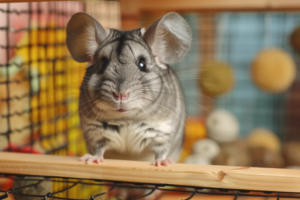
What Bedding Is Best for Hamsters in Summer?
Summer is hard on small pets, so choose airy, cool bedding: dust-free wood shavings, grass mats, cat litter, corn cob, or paper pellets. Grass mats are often best—eco-friendly, absorbent, breathable, and even edible for extra food and fun. Different beddings have different pros and cons, so pick what fits your setup, but always replace and clean regularly to stay dry and hygienic. Check the source is safe and contaminant-free, and keep the depth moderate so the cage isn't overcrowded. Good bedding matters because summer raises the risk of wet-tail and respiratory disease.

Are Miniature Pinschers Easy to Care For?
The Miniature Pinscher is a lively, smart, gentle, and people-loving dog that experienced owners generally find easy to keep. It adapts well indoors yet still needs daily outdoor exercise to burn energy, or it may get into mischief. Its sensitive skin benefits from regular brushing and bathing, and routine vaccinations and checkups prevent disease. Pros include small size, high intelligence, loyalty, a mild temperament, little odor, and easy adaptability. Cons are a delicate stomach, cold sensitivity, and a loud voice. With a safe home, balanced diet, enough exercise, and regular parasite control and vaccines, a Miniature Pinscher thrives.

What Every New Dog Owner Should Know
Bringing a puppy home is exciting, but a few common mistakes can make a dog sick or afraid. The first weeks are about helping the dog settle in safely: hold off on baths and rich foods, keep it on a leash, and don't rush parasite treatment. With the right supplies and a calm start, new owners set their dog up for a healthy life.

What to Know Before and After Spaying or Neutering Your Pet
Spay and neuter surgery is routine but still deserves careful preparation. Picking a trusted clinic, fasting beforehand, and running pre-op tests keep anesthesia safe, while post-op care around wounds, food, and an Elizabethan collar protects a smooth recovery. This guide walks owners through the whole journey, from booking to stitch removal.

Why a Dog That Stops Moving in Winter May Have Arthritis
As the deep cold of winter sets in, some owners notice their dog no longer wants to go out or play, blaming the weather, but the real cause may be osteoarthritis. OA affects 30 to 50 percent of dogs and cats and is not only age-related; even young dogs can develop it, with breed, age, sex, weight, and genetics all playing a role. It is a whole-joint disease where cartilage breakdown outpaces repair. Signs include less activity, stiffness after rest, painful swollen joints, and irritability. Management combines weight control, sensible exercise, NSAIDs for pain, and therapy with joint supplements.

How to Safely Disinfect Your Home With Pets
During outbreaks, many homes reach for alcohol and chlorine disinfectants, but used wrong they can harm pets. Only 70 to 75 percent alcohol is right for home use, and it should be wiped on a cloth, never sprayed on a pet. Chlorine products are strong and some cats love the smell, so dilute strictly and keep pets away. UV lamps kill viruses but must run in an empty room. The rule throughout: keep your furry friend in another room until surfaces are rinsed.

Your Dog’s Urinary Tract Troubles
Lifting a leg to mark is normal, but uncontrolled dribbling or frequent tiny urinations may mean urinary stones or infection. Watch for pain, abnormal or discolored urine, incontinence, and odor. Care includes vet urine tests, more water, more walks, diet changes for stones, and never self-medicating.

The Shaping Method in Dog Training
Shaping (successive approximation) builds a target behavior the dog can't do at once, by reinforcing each small step toward it—rooted in Skinner's operant conditioning. It has linked stages (break the final act into sequential sub-goals, each reachable from the last, like 'come→sit→down→lie→stay') and gradual progression. Trainers reinforce each step and then withhold reward to fade it and move on, using extinction to advance. Start from the easiest move and build to the endpoint behavior.