Search Results
6275 results for “how to clean”

Cat Has Had Yellow Nasal Discharge for Six Months
Persistent yellow nasal discharge in cats usually points to a chronic upper-respiratory infection such as feline viral rhinotracheitis, or less commonly pneumonia. When the symptom has lasted six months, the condition is well established and needs a proper veterinary work-up rather than guesswork. Supportive home care can ease discomfort, but lasting or recurring discharge warrants diagnostic testing.
My puppy has an abscess on its belly — should I squeeze the pus out?
An abscess on the belly is often a localized infection from scratching and breaking the skin. Small ones can be drained, cleaned with alcohol, and treated with a vet-recommended wound ointment. Persistent scratching usually points to a skin condition or parasites (mites, fleas, lice), in which case an external parasite treatment is advised.
Why are the gaps between my dog’s toes red and dry?
Redness and dryness between a dog's toes is usually a fungal or bacterial infection, or irritation from a toe caught in cage bars during long confinement. Letting the dog walk on open floor (or adding a soft pad) and keeping the paws dry usually resolves it; for an infection, clean with an antiseptic and disinfect the living area.
My kitten has a fungal infection — how should I treat it?
For a feline fungal infection, apply a vet-recommended antifungal cleanser then a vet-recommended topical skin ointment to the spot. Cat ringworm shows hair loss, scabs, itching, red patches, and dandruff — frequent scratching early, clear skin signs later.

What to Do When Your Cat Sneezes Blood
Blood in a cat's sneeze points to parasites or feline rhinotracheitis (cat flu) — both need a vet check. Deworm for parasites; for rhinotracheitis, treat the virus with eye drops and vet-prescribed medication plus immune support.
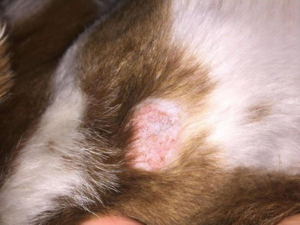
Can Dog Fungal Infection Be Cured?
Yes — fungal infection (dog ringworm) is curable but stubborn, so treat at once to stop it spreading. Isolate, collar, disinfect with povidone-iodine, apply antifungal ointment and spray, and keep the environment clean.

Signs Your Dog Is Dehydrated
Long-term lack of water leads to dehydration and urinary stones. Watch for loose skin, dry nose, sunken eyes, and low energy; offer clean water and a probiotic for appetite, and see a vet for stones.

Should You Dress Your Dog in Winter? The Pros and Cons
Coats keep short-haired, frail, or senior dogs warm and shield fur from dirt and germs — but on long-haired dogs they cause matting, and tight or rough fabric can trigger skin allergies and chafing. Choose loose, comfortable clothing if you dress them at all.
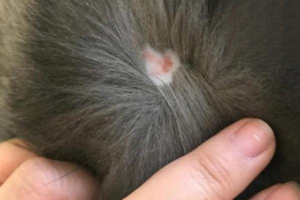
Will Cat Ringworm Heal on Its Own?
Cat ringworm won't clear up by itself — left alone it spreads and worsens. It comes from parasites or fungus; treat by isolating, clipping, and applying antifungal spray and ointment, with a 4–6 week course and good nutrition.

How to Treat Fungal or Bacterial Skin Infection in Dogs
Fungal dog ringworm is treatable, fast if caught early and slower (4–6 weeks) if widespread. Clip the fur, apply antifungal spray and ointment, add vitamin B, and keep the environment clean to stop reinfection.