Search Results
6275 results for “how to clean”

What to Use for a Kitten’s Skin Problem
Kittens get skin disease often; first identify whether it's fungal or parasitic, then treat it specifically. Fungus shows as circular bald red rings, parasites as scabs and red dots. Clip, disinfect and apply an antifungal spray and ointment, then deworm once healed.

Why Is the Skin Around My Cat’s Mouth Red?
Redness around a cat's mouth is a sign of skin trouble, usually falling into one of three types: allergic, fungal or parasitic. Match the treatment to the cause—soothe allergies, fight fungus with an antifungal spray, ointment and medicated shampoo, or control parasites. A vet confirms unclear cases.

Cat Vomiting Yellow Fluid Several Times a Day: What to Do
Vomiting yellow fluid multiple times a day is not normal and can stem from parasites, infection, empty-stomach acid, gut disease or something eaten. Hair in the vomit points to a hairball. Frequent vomiting dehydrates fast, so identify the cause and get veterinary help if it persists.

Parasites on a Kitten: What to Do
Parasites are common in kittens—both internal worms (roundworm, tapeworm, hookworm) and external ones (fleas, mites). Beyond regular deworming, the living environment must be disinfected, since where the kitten has parasites, the home does too. Follow weight- and age-based dosing carefully.
How do you treat a Poodle’s skin condition, and what medicines work best?
Treating a Poodle's skin condition starts with a vet skin scraping to identify the type — fungal, bacterial, parasitic, allergic, or endocrine. Treatment is then matched: antifungal ointment for fungus, antibacterial spray and oral meds for bacteria, parasite control for external parasites, antihistamines for allergic dermatitis, and gradual management for endocrine issues. Use an Elizabethan collar and keep the bedding clean.

What to Do About Black Bugs on Your Cat
The small black bugs crawling through a cat's coat are usually fleas. A heavy flea burden causes anemia, spreads internal parasites and triggers allergic skin disease, so treat the cat and its home together. Regular topical prevention keeps fleas and other external parasites away.

What to Use for a Cat’s Skin Infection
Most cat skin problems are fungal, thriving in contaminated environments and among cats with weaker immunity. Treatment means disinfecting the home, stopping the cat from licking sores, and applying antifungal ointment and spray to clipped, cleaned patches. A medicated shampoo supports bathing during recovery.
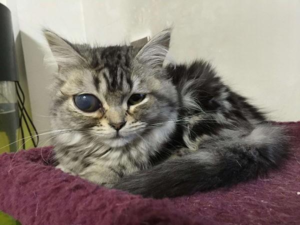
Why Does My Cat Have Something Clear in Its Eye?
A clear or cloudy film over a cat's eye is not normal and often points to glaucoma, cataracts or keratitis. Once an eye condition is confirmed, prompt veterinary treatment protects the cat's sight. Early exams and clean, careful home care make the difference.

What to Do When Your Cat Catches a Chill
Cats catch colds easily from baths, seasonal shifts and temperature swings. Treat early to prevent the illness from deepening into something worse. Symptomatic care plus warmth, hydration and good nutrition usually gets a mild case back on track.

Why Is My Cat’s Belly Making Noise?
Gurgling or rumbling from a cat's stomach is usually normal gut motility, but frequent or loud noise can signal digestive trouble. It often precedes diarrhea and may point to a chill, stress, diet change, parasites or unbalanced gut flora. Watch for accompanying signs and adjust diet or seek care as needed.