Search Results
6282 results for “how to clean”
What kind of fish is the plecostomus (cleaner fish)?
The pleco is an invasive catfish (also called suckermouth catfish). It eats algae and waste but has no natural predators in China and harms native fish by eating their eggs — never release it.

Treating Cat Ear Mites: Cleansers, Medicine, and the Full Protocol
When a cat scratches its ears and shakes its head with dark waxy discharge, ear mites are the likely cause. A cleanser alone only removes debris—it does not kill the mites. Real recovery needs cleaning plus a miticide and a deworming spot-on, done in three rounds. Here is the full, safe protocol and what to look for in an ear cleanser.

What to Know Before Getting Your Pet’s Teeth Cleaned
Like people, pets benefit from dental cleaning, which removes tartar and curbs bacterial growth, but they cannot understand the process, and cleaning is not as simple as it is for humans. Tartar speeds gum and bone loss and can loosen teeth early, and mouth bacteria can travel down the gut and stir up digestive trouble. Anesthesia-free cleaning cannot reach below the gum line and risks injury, while proper cleaning under general anesthesia, preceded by blood and organ checks, is safe and thorough. Daily care at home with a pet toothbrush or textured finger sleeve matters most, and human toothpaste must never be used.

Keep These Cleaning Products Away from Your Dog
Household cleaners carry more hazardous chemicals than you think, and they are far worse for dogs. Dogs spend nearly all their time on the floor, touching cleaners directly and absorbing them through paw pads and skin; even off the floor, their keen noses inhale the toxins. Five chemical groups to watch: ammonia (toxic, irritates the respiratory system; in glass/stainless cleaners, floor wax)—seek vet care if ingested. Chlorine/bleach (vomiting, diarrhea, burns, even seizures; in toilet/mold cleaners, detergent). Phthalates (linked to liver, testicular, pancreatic tumors; in nail polish, hairspray, soap, shampoo—avoid in dog toys). Glycol ethers (liver, nerve, digestive harm; in multipurpose/carpet/glass cleaners, hand soap; even 'natural' ones). Formaldehyde (irritates eyes/skin, slows breathing; in perfume, tissues, hand soap, nail polish). Also avoid 84 disinfectant (bleach-based, corrosive, causes chronic rhinitis).

What Can Cats Eat to Clean Their Teeth?
The real question is what reduces food left on the teeth. Crunchy quality kibble sticks less than wet food and scrapes the surface as a cat chews; dental chews, jerky, chew toys, and VOHC-certified treats add friction; pet dental water or powder with lysozyme slows plaque chemically. But the most reliable step is still brushing a few times a week. Left alone, plaque becomes tartar, gingivitis, and even organ harm.
How effective is pet dry-cleaning powder (dry shampoo)?
Dry-cleaning powder is mostly starch; rubbing it lifts some oil and dirt and helps puppies avoid a chilly bath in winter. But it can't deep-clean a very dirty dog, and the fine white powder is hard to fully brush out, leaving visible residue on dark coats.
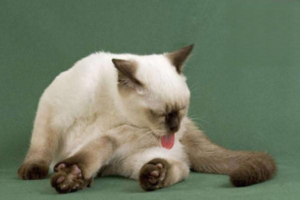
How Cats Keep Themselves Clean
Cats have no hands, so they groom with tongue, saliva, teeth, and paws. Rough tongues lift loose fur and dirt, saliva cleans and cools, teeth crush parasites, and paws handle what the rest cannot.

How Cat Tartar Forms
Human tartar forms gradually, and so do cats—first the cat goes too long without dental cleaning and teeth yellow; without care, tartar forms. Cat tartar is harmful—bad breath, periodontitis. Owners must stress dental cleaning. Today we look at how cat tartar forms and how to clean cat teeth daily.

How to Treat an Infected, Pus-Filled Dog Wound
An infected, pus-filled dog wound won't scab on its own and can spread to fever and lethargy. Learn step by step how to clean, dress and support healing.

How to Manage Severe Cat Tear Stains
Owners know tear stains—two dark-red streaks like a mustache, making a cute cat look like a sloppy old man. Here is how to clean cat tear stains.