Search Results
27 results for “house training dog”
What Types of Dog Collars Are Available?
Choosing the right collar matters for every dog owner, both for safe daily walks and your dog's comfort. The market offers a wide variety of options—leather, nylon, metal chain, buckle, harness-style, studded, and even GPS-tracking collars—each designed with distinct advantages. Leather collars are durable and attractive but not water-resistant; nylon is light, washable, and adjustable; chain collars suit strong pullers yet require gentle handling; buckle collars grow with puppies; harness collars are cute and reduce strain; studded collars deter escapes; and GPS collars help recover a lost pet. Matching the collar to your dog's size, breed, and behavior—along with your own preferences—ensures both safety and comfort.
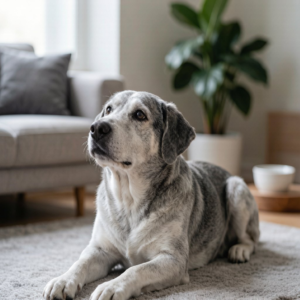
Dog at 7 Is Like a Human at 50: Early Signs of Senior Dog Diseases
At 7, every dog, large or small, has entered its senior years and organs start declining faster. Studies show kidney filtration drops 12-18% and joint cartilage wears three times quicker after 7. Many early signs get mistaken for "normal aging" and missed. Watch for osteoarthritis (stiff rising, hesitant stairs, liking soft beds), dental disease (red bleeding gums, loose teeth, bad breath, favoring soft food), chronic kidney disease (drinking and urinating more, later ammonia breath and weight loss), and cognitive dysfunction (getting lost at home, night waking, forgetting house-training). These diseases can't be cured, but early action slows them and extends life.
Do Dogs Actually Hate Their Owners?
Dogs rarely truly hate their owners; what looks like dislike is usually a response to neglect, coldness, or harsh scolding. A dog that is ignored, criticized, or treated roughly may act aloof, have accidents in the house, or even growl. Often it is simply expressing unmet emotional needs. Pay attention to your dog's feelings, build regular positive interaction, and remember that sudden unfriendliness can also signal pain or illness that warrants a veterinary check.
How to Stop Your Dog From Peeing Everywhere
A dog treats the whole world as its toilet, but at home that is unacceptable - and scolding alone never works because the dog simply does not know. Inappropriate urination has many roots: territory marking (common in adult males), no house-training, revenge moved to the sofa after being yelled at, unclear home boundaries, attention-seeking, fear from abuse, post-neuter incontinence, or illness. The fix is patient positive training: indoor spot training, outdoor training, and never hitting the dog. Holding urine over eight hours harms the kidneys, so leash up and clean up on walks.
Basic Training Every Dog Owner Should Know
A newly arrived dog brings plenty of challenges, but dogs are highly intelligent and most problems come from simple misunderstanding. With patient training, nearly everything can be solved. This article covers three practical areas: command training (sit, shake, down), resource guarding around food, and housebreaking to a designated spot. Using treats, toys and clear timing, you can teach your dog what you expect. For stubborn cases in large breeds, professional trainers are the safe choice. Consistency and patience are the real secrets.
Should You Hit a Dog That Won’t Listen?
Every dog owner eventually faces a stubborn pup that does the opposite of what it is told. The instinct to hit can be tempting, but physical punishment rarely teaches good behavior and often backfires. Hitting makes a dog timid, fearful of its owner, or even resentful, leading it to hide, refuse to come home, or act out with revenge behaviors like soiling the house. Instead of raising a hand, build trust by feeding the dog yourself, training patiently from puppyhood with rewards, and bonding through regular companionship and gentle petting. A dog that feels safe and trusted is far more willing to listen.
How to Potty Train a French Bulldog
Potty training a French Bulldog starts by limiting freedom with a crate or pen and picking one fixed toilet spot, such as a bathroom corner or a quiet area. Lay down pee pads, let your Frenchie out on a schedule, and reward immediately when it goes on the pad — praise and a treat teach it that the pad means good things. A small pen enclosing just the pad narrows the choice at first, then expands as the habit forms, and comes away once training sticks. Consistency and timing are what make it work.
Dogo Argentino Temperament and Personality
The Dogo Argentino is a highly intelligent, loyal breed with a strong drive to work and protect. Bred originally as a hunting and guardian dog, it can show reserve or wariness toward strangers and some aggression toward other dogs, yet with proper socialization it is devoted, gentle, and quiet with its own family. Early, consistent training unlocks its quick learning and dependable temperament, making it a capable and affectionate companion for experienced owners.
How do I train a dog that is too clingy?
A clingy dog may lack security — avoid frequent boarding, spend fixed daily playtime but let it be alone otherwise, and do separation training: briefly leave 10 minutes at a time without fuss, so the dog learns you return and gradually becomes independent.

Why Is Your Calm Dog Suddenly Barking So Much?
A dog that suddenly won't stop barking is communicating something. The cause may be physical pain, psychological stress like separation anxiety, or unmet needs for food, attention, or exercise. Rule out illness first—limping, vomiting, or appetite loss mean a vet visit—then ease anxiety with gradual alone-time training, a quiet safe corner, and reward-based calm. Patience beats punishment, which only makes it worse.