Search Results
540 results for “hormone”

Common Questions About Spaying and Neutering Cats
When is the best time to spay or neuter a cat? What should be noted before and after the surgery? What are the benefits? These are things every cat owner needs to learn. Spaying or neutering is something every cat must go through; let us look at these common questions together.

Does Your Cat Really Need to Be Spayed or Neutered?
Must a cat be spayed or neutered? Many owners have this doubt. In fact, neutering is the best overall way to ensure a pet's welfare and improve its quality of life. If the owner does not plan to breed the cat, it is best to have it fixed. Let us look in detail at the benefits of neutering and the impact of not neutering.

Dry Eye (Keratoconjunctivitis Sicca) in Dogs: Symptoms and Treatment
KCS, or dry eye, is an eye disease in dogs caused by a lack of the watery tear layer, an inflammation of the cornea and conjunctiva from dryness. This article explains the symptoms of dry eye and how it is diagnosed and treated.

Can Dogs Get Diabetes?
Diabetes is one of the most common medical conditions in humans. Surprisingly, it is also a common disease in dogs. The main symptoms of diabetes in both people and dogs are increased thirst and water intake. This article explains the types of diabetes in dogs and the importance of early diagnosis.

Symptoms of Inflammatory Bowel Disease in Dogs
Canine IBD is a group of gastrointestinal diseases involving infiltration of inflammatory cells into the dog's gastrointestinal tract. IBD can affect the upper and lower digestive tracts and is the most common cause of chronic vomiting and diarrhea in dogs. The cause of IBD is not yet clear. This article covers its symptoms, diagnosis, and treatment.
Treatment of Feline Hyperthyroidism
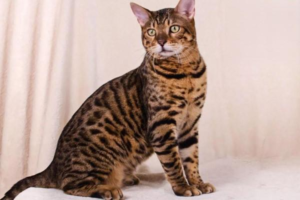
Treating feline hyperthyroidism may involve one or more of several approaches, starting with medication. This article covers methimazole, surgical thyroidectomy, radioactive iodine (I-131) therapy, and supportive follow-up care.

Symptoms and Diagnosis of Feline Hyperthyroidism
Hyperthyroidism is a very common disease in older cats and produces a range of symptoms. This article describes the clinical signs and the diagnostic tests, including T4, free T4 by equilibrium dialysis, chest X-rays, and technetium-99m scans, used to confirm it.

Diagnosis and Treatment of Feline Hypertrophic Cardiomyopathy
Hypertrophic cardiomyopathy (HCM) is a form of heart muscle disease in cats. This article lists conditions that mimic HCM, the diagnostic tests used to confirm it, including echocardiography, and the medical and home-care approaches to treatment.

How to Prevent Cats from Fighting Each Other
Understanding the underlying cause of feline aggression and addressing it early is key. Cat aggression falls into five types—territorial, fear-based, pain-related, play, and redirected—and each responds to specific environmental changes. Spaying/neutering, pheromones, and enough resources also help.
Cat Anatomy and Nutritional Requirements
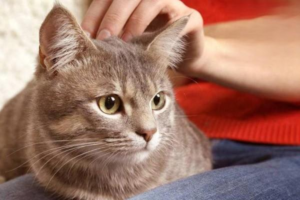
A cat's body has nine notable parts (limbs, eyes, teeth, paw pads, nose, tongue, claws, whiskers, ears), and its diet needs core nutrients: protein, fat, carbohydrates, water, crude fiber, magnesium, calcium, phosphorus, and taurine. As obligate carnivores, cats need animal-source nutrition.