Search Results
540 results for “hormone”
What happens if a dog eats hormones (steroids)?
Hormones can make a dog grow too fast, causing deformities and obesity if bones/organs can't keep up, and upset hormone balance affecting the reproductive system—lowered libido, testicular shrinkage, irregular heat cycles. It may also cause behavior changes like aggression, anxiety, or depression.
My dog had very low red blood cells, got hormones and a transfusion, and blood smears found no parasites
This strongly suggests immune-mediated hemolytic anemia, which is hard to cure. Follow the vet's symptomatic treatment: general care, medication, surgery, plasma exchange, or immunoadsorption. Severe, relapsing cases have a lower cure chance.
What happens if a dog eats hormones?
A dog that eats hormones may become agitated, irritable, or anxious, and its appetite may rise or fall causing weight swings. Hormones can cause fluid retention, edema, or ascites, and some affect the cardiovascular system, causing heart disease. If ingested, induce vomiting at a vet and get checked even after absorption.
How Long After Neutering Does a Male Cat’s Hormones Drop?
Hormones start dropping 2 weeks after neutering but settle in about 3 months. Heat behaviors like spraying, irritability, and mounting may persist 3 months; normal. Care for the wound.
What happens if a dog eats too many hormones?
Too many hormones disrupt the dog's balance, causing more urine, more eating and drinking, and less activity. High doses can poison it with vomiting, fever and abnormal waste. Follow the vet's dose strictly and discuss alternatives if side effects appear.

Common Causes of Feline Obesity
Feline obesity is driven by age, genetics, neutering, and too little exercise, and it raises the risk of heat intolerance, heart disease, diabetes, and a shorter life. Prevention comes down to scheduled feeding, a lean high-protein diet, and daily play.

Do Female Dogs Get Periods? Caring for a Dog in Heat
Most dogs have their first heat around six months of age, with the cycle lasting roughly two weeks. During this time immunity dips and the dog draws unwanted attention, so keeping her clean, calm, and contained is what gets you both through it.

Feline Idiopathic Cystitis: What It Is and How to Help
Feline idiopathic cystitis, or stress-linked cystitis, is the most common lower urinary tract disease in cats, making up about a third of cases. It is diagnosed by ruling out infection and stones, then eased by cutting stress, using facial pheromones, and boosting water intake.
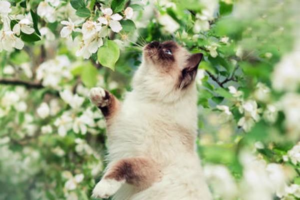
How Weather Affects Your Cat’s Mood and Health
Cats feel weather as keenly as people do, storms, cold, heat, and humidity all shift their mood and health. Watch for heatstroke and hypothermia in extremes, and keep the home between 20 and 25 C with sun, warmth, and steady routine.

A Complete Guide to Spaying or Neutering Your Cat
The best time to neuter is after sexual maturity, around 5 to 6 months, with a vet check and blood work first. Weigh the real benefits, fewer cancers and roaming, against risks like weight gain and anesthesia, and follow strict after-care to heal cleanly.