Search Results
540 results for “hormone”

Common Dog Paw Problems and How to Treat Them
A dog's paw is a complex, useful structure — shock absorption, sweating, warmth, digging, self-defense — but its many folds and hairs trap debris, so it easily reddens, inflames, sheds fur, or even ulcers and oozes. The main paw troubles are injuries from sharp objects, cracked pads, bacterial or fungal infection, and eczema. Trim nails, wipe paws after walks, and see a vet for deep or infected wounds.

What Are the Benefits of Neutering Your Cat?
Neutering curbs estrogen-driven behaviors, making a cat calmer and easier to live with, and — when done before age five — can extend its lifespan by avoiding the physical toll of repeated heat and breeding. Watch the incision site afterward: mild inflammation needs daily disinfection with an E-collar, while a widening wound or pus means a vet visit for possible re-suturing.

Treating Ovarian Cysts in Dogs
Ovarian cysts in dogs come in four types—follicular, luteal, epithelial tubule, and rete ovarii—with the first two most common, usually from hormonal imbalance and more frequent in older dogs. Diagnosis uses hormone tests and imaging, and treatment ranges from watchful waiting to hormone therapy or spaying (ovariohysterectomy).

What Spay/Neuter Surgery Is — and Why Cats Should Be Neutered
Spay/neuter is a routine surgery that removes a cat's reproductive organs to prevent breeding and curb hormone-driven behavior. Males get a quick scrotal incision; females need a flank or abdominal incision to remove the uterus and ovaries. The benefits include fewer stray cats, lower reproductive-disease risk, and far less spraying, yowling, and fighting.
Why Older Cats Are Prone to Hyperthyroidism
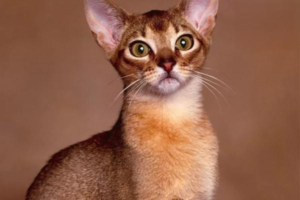
Hyperthyroidism is the most common endocrine disease in cats, especially those over 8, caused by an overactive thyroid flooding the body with hormone and stressing every organ. Look for weight loss with a ravenous or fading appetite, restlessness, a fast heart rate, and more; it's very treatable with medication, surgery, radioiodine, or an iodine-restricted diet, and early care brings a good outlook.

Feline Depression: Symptoms and How to Help Your Cat Recover
Cats can develop depression when they receive too little attention, face a sudden change in environment, or are naturally sensitive and insecure. Telltale signs include loss of appetite, weight loss, excessive shedding, lethargy, and hormone imbalances, and while medication only masks the symptoms, regular companionship and play are what actually help a cat recover.

Are There Side Effects from Estrus-Suppressant Powder in Cats?
Estrus-suppressant powder is a hormonal product that briefly stops a cat's heat behaviors with little to no side effect when used occasionally. Long-term reliance, however, disrupts the hormones and endocrine system, so spaying remains the recommended fix for recurring heat.

When Do Female Dogs Get Their Period?
A female dog usually reaches sexual maturity around 6–8 months and comes into heat then, with bleeding starting 7–10 days after the heat begins and lasting about two weeks. Signs include a swollen vulva with light discharge, frequent licking, and clinginess; a first heat means sexual but not full physical maturity, so breeding should wait.
Why Is My Cat Suddenly Peeing on the Bed?
A cat peeing on the bed usually means a lingering urine smell on the sheets, a filthy litter box, heat-related spraying, or a urinary-tract disease. Urinary trouble shows as painful, drippy, or bloody urination and can progress to a blockage — an emergency. Treatment ranges from antibiotics (amoxicillin, amoxicillin-clavulanate, ofloxacin) for inflammation to flushing or surgery plus urine-acidifying drugs for stones.

Can Dogs Get Facial Paralysis?
Facial paralysis seems rare in people. The AVMA found it common in senior dogs, with many signs owners never notice.