Search Results
139 results for “herpesvirus in cats”
What are the symptoms of a respiratory infection in cats?
Cats with respiratory infections typically sneeze, breathe with difficulty, have nasal and eye discharge, open-mouth breathing, reduced appetite, wheezing, and coughing. A prompt vet exam is needed to find the cause and rule out viral infection.
What disease is FHV in cats?
FHV stands for feline herpesvirus — the pathogen of cat flu (feline rhinotracheitis). Many cats carry it without symptoms; it flares when immunity drops and is highly contagious.

Is Feline Herpesvirus the Same as Cat Flu?
Many owners ask whether feline herpesvirus and cat flu are the same thing. The short answer: herpesvirus is the most common cause of cat flu, but cat flu is not limited to it. Calicivirus, chlamydia, mycoplasma and Bordetella can all produce the syndrome, so 'cat flu' is a group of diseases rather than a single virus. This article clarifies the relationship, how each agent spreads, and how to disinfect your home - bleach at 1:32 dilution and 75% ethanol are effective against these pathogens.

Causes and Prevention of Liver Disease in Cats
The liver is the body's largest metabolic and digestive organ, and in cats it is closely tied to the blood, digestion, tendons, and eyesight. Liver disease can arise from nutritional or endocrine disorders, infections, or poisons such as arsenic, mercury, chloroform, and aflatoxin. Early signs are usually digestive, like vomiting, poor appetite, and pale stools, while later stages bring muscle tremors and weakness. Management focuses on the right balance of energy, protein, fat, and carbohydrates, plenty of vitamins, and a light, easily digested diet or a prescription liver formula to support recovery.

Treatment for Corneal Ulcers in Cats
A vet diagnoses a cat's corneal ulcer with a full eye exam and fluorescein staining, though finding the cause can be tricky. Possible triggers include abnormal lashes, eyelid faults, dry eye, feline herpesvirus, and uveitis as a complication. A thorough exam, stain test, tear test, and cultures pin down size, depth, and infection so the right treatment can start.
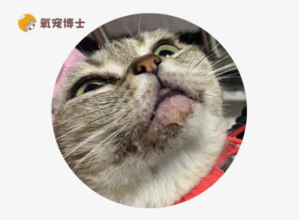
Why Do Cats Get Stomatitis?
Feline stomatitis is a painful, chronic, immune-driven inflammation of the mouth—not just sore gums. Calicivirus and autoimmune disease are the usual triggers, while other viruses, plaque, breed, stress, and poor nutrition add risk. Because it hurts to eat, cats waste away, so finding the cause matters; for stubborn cases, full-mouth extraction often brings lasting relief.

Bronchopneumonia in Dogs and Cats: Symptoms, Treatment, and Prevention
Bronchopneumonia (lobular pneumonia) is inflammation of the small airways and alveoli, marked by high swinging fever, rapid breathing, and focal lung sounds. It is treated aggressively with antibiotics, cough and phlegm control, and supportive care.

Laryngitis in Dogs and Cats: Symptoms, Treatment, and Prevention
Laryngitis is inflammation of the larynx causing a harsh cough, throat pain, and difficulty swallowing. It may follow infection, irritation, or inhaled objects, and is treated by removing the cause and easing coughing and inflammation.

Feline Infectious Rhinotracheitis (Feline Herpesvirus-1): Symptoms and Treatment
Feline infectious rhinotracheitis, or cat flu caused by feline herpesvirus-1, is a highly contagious upper-respiratory disease. It produces sneezing, eye and nose discharge, conjunctivitis, and fever, and can cause serious eye ulcers and abortion in pregnant cats.
What does conjunctivitis look like in cats?
Feline conjunctivitis shows as red, watery, itchy eyes with discharge. Here are the common causes.