Search Results
139 results for “herpesvirus in cats”

Cat Stress: Signs and What to Do
Basic knowledge about stress reactions in cats.

Why Your Cat Breathes Loudly
Loud breathing in cats can be completely normal, a relaxed cat often purrs or pants slightly in heat, but it may also signal a respiratory infection or illness. Identifying accompanying signs such as nasal discharge or lethargy helps you decide when veterinary care is needed.

Kitten With Pus in the Eyes, Can’t Open Them, and Sneezing
A kitten with pus-filled eyes, stuck-shut lids, and sneezing is often fighting feline herpesvirus (rhinotracheitis), not just a cold — and it can be fatal if ignored. Isolate and disinfect the space, give lysine and vet-prescribed antibiotics, and use eye drops for the conjunctivitis. Act quickly, since kittens have little immunity.

What to Do When Your Cat Has Watery Eyes and Sneezes
Watery eyes and sneezing in cats are usually a simple cold, feline herpesvirus (rhinotracheitis), or allergic rhinitis — not always panleukopenia, as many owners fear. Matching the cause to the right care matters, and severe or low-energy cases need a veterinarian. Keep the environment dust-free and ask your vet about helpful supplements.

What to Do When Your Cat Sneezes and Has a Runny Nose
A cat cold usually starts from a chill, and if it drags on for over a week it needs real attention—left alone it can lead to coughing, dehydration, or low fever. Check the temperature, keep the cat warm, rule out serious illness, and support recovery with food and fluids.

Why Is My Cat’s Eye Tearing Up? Causes and Care
Watery eyes in cats usually point to irritation, infection, or feline herpesvirus rather than simple sadness, and the discharge is often the first sign owners notice. Most cases improve with gentle at-home care and good hygiene, but persistent tearing deserves a veterinary check.

How to Treat a Sneezing, Congested Cat
A cat that only sneezes usually needs no medication, but added symptoms change the picture. Allergies, a chill, viral rhinotracheitis, or a nasal foreign body each call for a different fix — and persistent sneezing with discharge means a vet visit.

Cat Has Had Yellow Nasal Discharge for Six Months
Persistent yellow nasal discharge in cats usually points to a chronic upper-respiratory infection such as feline viral rhinotracheitis, or less commonly pneumonia. When the symptom has lasted six months, the condition is well established and needs a proper veterinary work-up rather than guesswork. Supportive home care can ease discomfort, but lasting or recurring discharge warrants diagnostic testing.
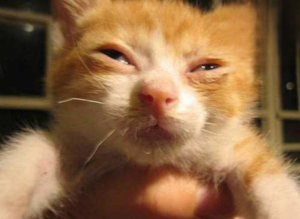
What to Do When Your Cat Sneezes Blood
Blood in a cat's sneeze points to parasites or feline rhinotracheitis (cat flu) — both need a vet check. Deworm for parasites; for rhinotracheitis, treat the virus with eye drops and vet-prescribed medication plus immune support.
- « Previous
- 1
- …
- 12
- 13
- 14