Search Results
189 results for “hereditary”
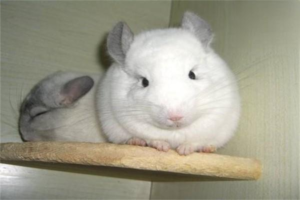
What Causes a Chinchilla to Shed?
Chinchilla shedding is common and can be normal or abnormal. The main causes are natural molting, diet (raw vs roasted seeds), fright, fur-chewing, and parasites — with fixes ranging from diet swaps to topical treatment.
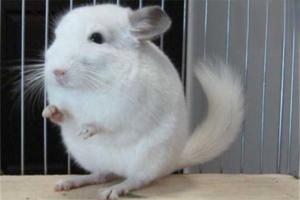
In What Situations Does a Chinchilla Shed?
Chinchillas shed for several reasons: normal molting, fright, diet (roasted seeds), parasites, and fur-chewing disease. Most are manageable once you identify the cause.
Lying still all the time, breathing heavily
A cat that is lethargic and breathing hard may have respiratory disease, infection, hereditary conditions, or parasites; a single symptom can't confirm cause. A weak kitten may have caught a chill. See a vet for diagnosis.
My dog has masticatory myositis – are there other treatments or is surgery viable? It is only one year old.
Masticatory myositis is a rare hereditary immune disease in breeds like Goldens and Labs, causing inability to open the mouth; it needs long-term steroids, and surgery if conservative care fails, with referral for expert consultation.
How do I breed a Whippet?
Before breeding Whippets, health-check both dogs and know their bloodlines to avoid inbreeding and defects. Breed at the right age: females first at 18 months-2 years, males at 1+ year. Best mating is days 10-14 of heat, in a quiet place, with post-breeding nutrition.
What if a Border Collie is not purebred?
A mixed Border Collie looks different (color, build, face) and may have lower intelligence and less predictable temperament than a purebred. Purebreds carry certain hereditary diseases, while mixes may have fewer due to diversity but can carry another set depending on the breeds mixed.
What happens if a male dog has an undescended testicle (cryptorchidism)?
Cryptorchidism can cause health problems in male dogs. The retained testis sits in the warm abdomen or groin and may become cancerous. It is hereditary and can affect fertility and lead to torsion or prostate issues, so neutering is advised.
What causes blindness in dogs?
Causes include congenital defects, hereditary eye disease (retinal dysplasia, cataracts), eye injury, and infection destroying eye tissue. Senior dogs may develop age-related cataracts or other eye disease.
Why does my dog’s hind leg make a sound when it walks?
This may be hip dysplasia, common in Goldens and Labradors as a hereditary condition. Confirm at a vet; manage with weight control and chondroitin.
What causes cataracts in dogs?
Canine cataracts can come from genetics, age, malnutrition, trauma, glaucoma, diabetes, and others. Hereditary or age-related ones can't be avoided — focus on care to ease discomfort. Long-term picky eating causes nutrient deficiency that can trigger them; glaucoma and diabetes can too.