Search Results
189 results for “hereditary”

Why an Alaskan Malamute’s Ears Won’t Stand Up, and What to Do
A Malamute's ears should stand by about 4 months. If they stay down, the usual causes are ear mites (causing vestibular signs like a head tilt), calcium deficiency (poor cartilage/bone growth), or a hereditary 'soft ear' that can't be cured and shouldn't be bred. Treat mites with ear cleaner and a miticide, fix calcium with diet and sunshine, and you can also brace the ear with foam and lash glue for about two months.

Chinese Rural Cats vs. Pedigree Pet Cats: What’s the Difference?
Chinese rural cats (native mixes) and pedigree pet cats are cared for similarly, but rural cats are hardier and cheaper. This guide compares them on health, price, looks, temperament and ease of keeping.

Common Parrot Eye Diseases and Treatment
Parrots commonly face keratitis, conjunctivitis, and cataracts. Keratitis ranges from surface scratches (tearing, light sensitivity) to deep or penetrating wounds threatening sight, treated by removing debris and antibiotic drops in dim light. Conjunctivitis from injury, vitamin lack, or infection needs boric-acid rinses and chloramphenicol; cataracts need surgery, so prevent with good hygiene and peace.

Why Do Goldfish Lose Buoyancy (Swim Bladder)?
Lost buoyancy (swim bladder disorder) is a common goldfish disease many owners meet. Signs include the fish lying on its side or upside down, floating at the surface or sinking to the bottom. This article focuses on the common causes of swim bladder loss in goldfish.

When Do Shiba Inu Ears Stand Up, and What If They Don’t?
Purebred Shiba Inu usually prick their ears early—most show signs around 40 days and stand fully by 3–4 months. If they stay floppy, causes include calcium deficiency, slow development, mixed breeding, or ear disease (mites/otitis). Fixes: vet check, calcium, ear taping as a temporary aid, and treating ear infections.
What happens if dogs are crossbred?
Crossbreeding may cause unstable traits in size, looks, and behavior; mixed personality can bring over-activity, aggression, anxiety, or depression; some carry hereditary disease in eyes, breathing, heart, or joints.
How about tabby Siamese cats?
Tabby Siamese cats are popular, with dark striped coats, large ears, and blue eyes. They are lively, smart, affectionate, and curious, depend on human company, and adapt quickly to new environments.
What Makes a Teddy a Purebred?
To tell if a Teddy is purebred: observe appearance--purebreds have distinct traits like lamb-wool curls, flat ears, almond eyes, body length greater than shoulder height. Check the pedigree certificate recording lineage. Genetic testing is the most accurate, also revealing hereditary diseases.
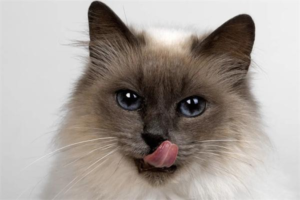
Can a Cat with Only One Testicle Reproduce?
A cat that shows only one testicle has cryptorchidism — a congenital defect in which one or both testicles fail to descend into the scrotum. Such cats face a much higher risk of testicular tumors and should be neutered early. A unilateral cryptorchid can still breed but shouldn't, while a bilateral one is infertile.
What happens with dog inbreeding?
Inbreeding risks stillbirth, difficult labor, miscarriage and deformity; pups may carry hereditary disease and live short, and the mother is harmed. Avoid it; if it happens before spaying, see a vet about termination, and do a check at 40-50 days if formed.