Search Results
88 results for “hereditary dog disease”
What happens if a dog has CHD (hip dysplasia)?
CHD means hip dysplasia, a hereditary bone disease. Dogs show reduced jumping, reluctance to move, joint pain, lameness and difficulty rising; untreated, muscles waste and paralysis can follow. Treat with anti-inflammatory painkillers, weight control and reduced activity; severe cases need surgery.
How Many Puppies Are in a Dog’s Litter?
A dog's litter size—usually 2–10—depends on breed, health, timing, environment, and nutrition. Small breeds like Poodles and Chihuahuas have 2–4; large breeds like Labs, Goldens, and German Shepherds have 6–8. The best breeding age is 2–6; good health and nutrition raise both count and quality, while poor nutrition can cause poor ovulation or infertility.

How to Ensure Healthy Dog Breeding
Healthy dog breeding starts with choosing an unrelated, health-checked mate free of hereditary issues, then feeding balanced nutrition and giving regular exercise to build condition. A calm, comfortable environment and mating at the right point in the cycle raise success, and pregnant dams need extra care, nutrition, and a clean whelping area.
Are mixed-breed dogs suitable as family pets?
Yes: they are much like purebreds but often easier: unfussy eaters, strong bodies, few hereditary issues, longer lives, smart and guard-capable. Be patient as temperaments vary.
What breed is a mixed-breed dog (mutt)?
A mixed-breed dog has non-pure ancestry from different breeds, blending various traits that may look less coordinated. They are lively, smart, independent, and loyal, and less prone to breed-specific hereditary diseases, making them healthier and easier to keep.
What is the difference between a double-pedigree and a purebred dog?
The difference is in lineage: double-pedigree dogs and their parents have pedigree certificates and better conformation. Purebreds share one breed with no crossbreeding; purebreds are prone to hereditary disease.

Why a Schnauzer May Not Be the Right Dog for You
Schnauzers are clever, brave, and cheap to feed, but they are not as easy as they look: they bark when left alone or visited, they are smart yet stubborn, they have sensitive skin prone to allergies and infections, they carry hereditary risks like progressive retinal atrophy and intervertebral disc disease, and their long coats need regular grooming. New owners should think carefully.

What to Do About a Dog’s Herniated Disc
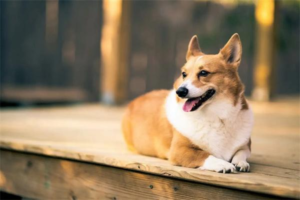
Intervertebral disc disease (IVDD) comes from injury, poor exercise, genetics, or lumbosacral abnormalities, and is common in dachshunds, chihuahuas, and corgis. Signs include reluctance to move, abnormal gait, and an arched back. See a vet promptly; treatment is medical or surgical.
No Response When Called? 5 Signs of Hearing Loss in Dogs
A dog's hearing is four times sharper than a human's, so hearing loss hurts its quality of life and can put it in danger. Watch for five signs: slow response to everyday sounds (name, doorbell, treat bag, commands); deeper sleep that only breaks when touched; being easily startled because it relies more on sight and stays clingy; poor sound localization (turning the wrong way with one-sided loss); and changed bark volume. Causes range from age (often from 8–10) to ear infections, mites, wax, drug side effects, injury, tumors, or breed predisposition. See a vet early; for age-related loss, use hand signals, keep the environment stable, and try a vibration collar.
Everyday Habits That Seriously Harm Your Dog’s Joints
Joint disease in dogs is on the rise, and beyond obesity many overlooked daily habits do real damage. Slippery floors force dogs to grip hard and risk falls; bad exercise — long runs, sharp stops, jumping from heights — wears joints down; frequent stairs overload the knees, especially in long-backed breeds like Corgis; standing on hind legs for attention strains the spine; and overfeeding accelerates cartilage loss, particularly in large breeds with hip-dysplasia risk. Cold, damp floors stiffen joints and worsen pain. Watch for early signs — stiffness after rest, reluctance to jump, hind-leg dragging, pain when touched — and support joints with glucosamine and chondroitin.