Search Results
481 results for “heat stroke”

Why Is Your Dog Suddenly Drooling a Lot? 4 Causes to Watch
Dogs pant to cool off, so some drool on a hot day is normal. But sudden, heavy salivation in normal temperatures can signal trouble. The causes worth flagging are oral disease, poisoning, heatstroke, and neurological problems, with severe kidney or liver disease and even rabies as grave possibilities. Teething, car sickness, or excitement explain milder cases. When drooling pairs with collapsing, seizures, or suspected toxin exposure, head to the vet at once.
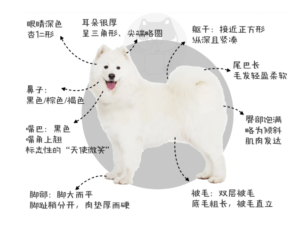
The Samoyed: A ‘Smiling Angel’—but Think Twice Before You Commit
The Samoyed's famous 'smile' is real, and so is its friendliness, trainability, and adaptability. But this breed sheds heavily, needs daily exercise, has a sensitive stomach, and shows its share of health issues—tear stains, dermatitis, heatstroke, obesity, and hip dysplasia. Before you fall for the looks, weigh the work it takes to keep one happy and healthy.

What to Know When Grooming a Rabbit’s Coat
Rabbits, especially long-haired breeds, need regular coat trimming, particularly in hot weather. Use proper rabbit grooming tools rather than ordinary scissors to avoid cuts, and work in order from the rump, along the back to the neck, then the sides, belly, legs, and last the head and ears. Comb out tangles first, keep the coat not too short, and never cut the whiskers. Avoid trimming in late pregnancy or winter, and calm the rabbit with help to hold it still.

What to Do When Your Dog Loses Appetite in Summer
Summer heat can lower a dog's appetite, as can a repetitive diet, parasites, or illness such as gastritis, distemper, mouth ulcers, or fever. Offer light, easy-to-digest food like wet food, vegetables, fruit, and bone broth in small frequent meals, and always keep fresh water available since heat drains fluids fast. Add variety with cooked egg, chicken, or fish, but skip human leftovers to avoid excess salt, oil, and additives. Keep bowls clean to prevent spoilage, encourage gentle exercise, and add probiotics to support gut health. If appetite stays poor or other symptoms appear, see a vet.
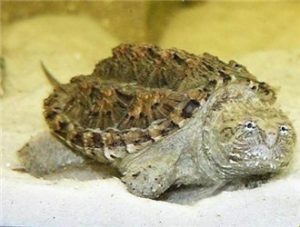
Florida Snapping Turtle
The most heavily-spined of the four Chelydra subspecies - a fierce, heat-loving carnivore from Florida and Georgia. Adults are aggressive; a meat or farm turtle more than a pet.

Florida Peninsula Cooter
The Florida Peninsula Cooter (Pseudemys peninsularis) is a large, hardy North American pond turtle marked in yellow and green. It closely resembles the red-eared slider but shows a yellow (not red) plastron, and is an affordable, beginner-friendly turtle.

Syrian Hamster
The Syrian hamster (Mesocricetus auratus), also called the golden hamster or 'pearl bear', is a hamster from Asia and the first species kept as a pet. Docile and easy to breed, it lives 2 to 3 years with good care and comes in over 40 color varieties.

Dutch Rabbit
The Dutch Rabbit is a small, distinctly marked pet rabbit with a white inverted-V on the face and a sharp color split between front and back. Gentle, smart, and nearly odorless, it needs timothy hay, a chew stick, steady 25–32°C, and a wire-free, dry cage. Lifespan about 5–7 years.

LionHead Rabbit
The LionHead Rabbit is a small, gentle pet rabbit named for the ruff of long fur around its head that looks like a lion's mane. Originating in Belgium and bred in the Netherlands and US, it is sturdy and clean, needs daily coat care and a wire-free cage, and lives 5–7 years.

Standard Gray Chinchilla
The Standard Gray Chinchilla — the original 'Totoro' — is a vegetarian rodent from the high Andes of South America. Gentle, clean, nearly odorless and long-lived (8–10 years), it needs a cage, dust baths, constant chewing material, and careful protection from heatstroke.