Search Results
1413 results for “healthy cat”
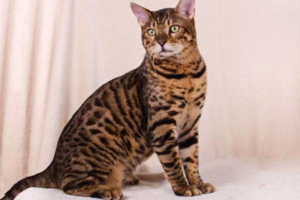
Why Your Cat Sheds So Much in Spring
Heavy spring shedding is usually normal as the winter coat drops, but loss that happens off-season can signal poor nutrition, a hormonal imbalance, or parasites and fungal infection. Daily brushing with a little massage is the best remedy, because healthy skin is what keeps shedding under control.

Why Your Cat Throws Up Undigested Kibble
When a healthy cat on a hairball regimen vomits only its food, the usual culprits are bad or abruptly changed kibble, overeating, eating too fast, or an underlying gut problem. Switch foods gradually over a week, portion the meals, slow the eating with a puzzle bowl, and see a vet if lethargy or diarrhea joins the vomiting.

How to Give Your Cat a Home Health Check
A hands-on check covers body condition and spirit, then vitals (temperature, pulse, hydration) and a look at the eyes, nose, mouth, ears, skin, chin, anus, and genitals. Red flags such as gum redness, ear-mite crust, tapeworm segments, or a dirty chin mean a vet visit.

Cat Chin Acne (Feline Folliculitis): Symptoms and Treatment
The "black chin" is feline folliculitis — overactive sebaceous glands clogging the pores, essentially the same as human acne. Most cases are mild and clear up with saline wipes, a diet lower in oil, and swapping plastic bowls for ceramic or stainless steel; neutering also helps by steadying hormone levels.

How to Feed Your Cat
Good feeding comes down to three rules: never overfeed, never serve expired or toxic food, and never feed by mood. A dog's stomach is more delicate than ours, so portion control — about 70 to 80 percent full, on a fixed schedule — protects it from gastritis and picky eating, while steady routines keep both body and mood healthy.

How to Trim a Cat’s Nails
A healthy cat does not actually need its nails trimmed — cats file them naturally — but trimming protects you and your furniture. Use rounded cat-specific clippers, get the cat used to having its paws handled, pick a lazy daytime moment, avoid the quick (the pink blood vessel), and work fast. If the cat protests, postpone a week, desensitize with treats, and never scold it; skip the pet store to avoid a stressful episode.

Why Has Your Cat Been Gone for Days and Not Come Home?
A cat that vanishes for days is often a sexually mature cat that slipped out to find a mate while in heat. Spaying or neutering around 5–6 months of age prevents both the escape behavior and the health risks — such as mammary and prostate tumors — linked to repeated, unsatisfied heat cycles. Watch for the telltale signs (restlessness, vocalizing, spraying, vulvar swelling) and have your cat fixed before the first heat if you don't plan to breed.

Essential Nutrients in a Cat’s Daily Diet
Cats need protein, fat, and vitamins to stay healthy—protein supplies essential amino acids like taurine that cats cannot make themselves. Fat is their main energy source, while B-vitamins and vitamins E and K support metabolism, liver health, and appetite. A balanced diet is the foundation of disease resistance.

How to Help a Cat in Labor
Most cats deliver alone in 58–63 days, but a weak or dystotic cat may need help. Stay with her, and if labor stalls, gentle breast or abdominal massage releases oxytocin to aid contractions; keep her energized with glucose. For true dystocia—a visible kit she can't push out, or a narrow pelvis—get to a vet. After birth, clear the amniotic sac and airways, tie the cord, and warm the kitten.

Caring for a Cat with a Sensitive Stomach
A sensitive-stomach cat isn't sick but stays thin and prone to vomiting and diarrhea because poor absorption starves it of nutrients. Steady, easy-to-digest food (no frequent switches), set meal sizes, fresh water, probiotics, and a regular deworming schedule are what keep it healthy.