Search Results
1413 results for “healthy cat”

Understanding Kidney Disease in Cats
Cats are built to conserve water, so chronic kidney disease is nearly universal in older cats and a leading cause of illness. Watch for early signs like increased drinking and urination, keep water and wet food available, and catch problems early with routine blood and urine tests.

Why Does My Cat Sneeze Every Day?
Frequent sneezing signals a problem — from a harmless ongoing irritant like dust or perfume to allergies, infection, or dental disease reaching the sinuses. Skip the antibiotics unless a vet confirms infection; human meds are toxic to cats.

Five Common Cat Feeding Mistakes
Many well-meaning feeding habits actually harm cats, fish bones, lactose-laden milk, liver as a staple, overfeeding, and kibble-only diets all create health risks. A balanced diet with wet food, controlled portions, and the occasional fruit or vegetable keeps a cat healthy.
Can Cats Get a Fever?
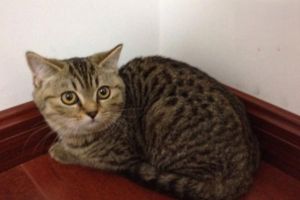
Yes, cats do get fevers, though their naturally higher body temperature makes it hard to spot. Watch for a dry, hot nose, warm ears and tail tip, lethargy, and heavy drinking, and confirm with a rectal thermometer reading.

How to Choose a Cat: Picking a Reputable Source
The safest path to a healthy kitten runs through a registered cattery — one tracked by CFA, WCF, or TICA, with pedigree papers and genetic testing — while backyard breeders skip the certificates and cat traders often sell sick 'week cats.' Once home, a full vet check and a few quiet days to decompress set the kitten up to thrive.
Health Checkups by Life Stage for Cats and Dogs
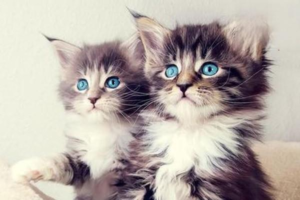
Pets can't tell us when they're ill, so regular checkups catch hidden disease. Kittens and puppies need basics plus parasite and vaccine screens; adults add bloodwork and imaging; seniors (cats over 10, older dogs) need broader panels—blood chemistry, X-ray, ultrasound, heart, and blood-pressure checks—ideally every six months.

Why Cats Shouldn’t Drink Mineral Water
Cats evolved in the desert and have a naturally weak thirst drive, so owners need to actively encourage them to drink enough water to avoid urinary stones and cystitis. Plain tap water served at room temperature and free of chlorine is best, while bottled mineral water is too high in calcium and magnesium for a cat's system.

How to Read Cat Food Labels and Choose Well
A good cat food starts with animal protein (aim for crude protein at or above 35%) and the right fat band (18–25%), since cats are obligate carnivores that burn protein and fat, not carbs. Keep an eye on the fine print too — calcium near 1.8% with a Ca:P ratio around 1.2:1, magnesium under 0.1%, ash under 6%, and omega-3 at least 1.5% — to protect bones, urinary tract, and coat.

What Snacks Can You Give a Cat?
Healthy cat snacks round out the vitamins and minerals a single dry diet can't supply, and the best ones please the palate while adding nutrition and moisture. Good choices include lactic-acid-bacteria pouches, gravy toppers, wet-food sachets, and freeze-dried training treats.

How to Prevent Megacolon in Cats
Megacolon is a chronic enlargement of the colon that shows up first as persistent constipation, and about two-thirds of cases are primary with no clear cause. Keeping a cat hydrated, high in fiber, at a healthy weight, and well-groomed is the best prevention; severe cases need enemas or surgery.