Search Results
1413 results for “healthy cat”

How to Reduce Shedding in a Ragdoll Cat
Ragdolls are long-haired and shed year-round, with a heavy blowout as kittens around three to four months. The fix is mostly daily grooming, a coat-friendly diet, and infrequent proper bathing — and a vet check if the coat suddenly thins.

How to Tell If Your Cat Needs Deworming
Most internal parasites are invisible to the naked eye until an infestation is advanced, so routine deworming matters more than waiting for symptoms. Kittens need monthly protection and healthy adults every three months; a vet can confirm parasites from a stool sample under the microscope.

How to Recognize Ear Mites in Your Cat
Ear mites spread easily between cats and dogs through close contact and are most common in kittens. Look for dark, crumbly ear discharge, head shaking, and scratching around the ears and neck — and isolate an affected cat to protect the rest of the household.

How to Tell If Your Cat Has Mites
The hallmark of a mite infestation is intense itching with irregular red patches and hair loss. Unlike ringworm's neat circular rings, mite damage looks blotchy and worsens the more your cat scratches, sometimes progressing to blisters and discharge.

How to Bathe and Deworm Your Cat
Regular deworming protects both your cat and your home. Plan on an internal dewormer every three months and an external one every month, and always bathe your cat before applying a topical product so the treatment can work.

How Long to Wait Between Deworming and Vaccination for Cats
Both deworming and vaccination protect your cat, but they shouldn't be done together—allow about two weeks between them. A vaccine builds antibodies only in a healthy cat, so doing both at once stresses the gut and can blunt the immune response. Vaccinate from 8 weeks of age once the cat is settled and well.
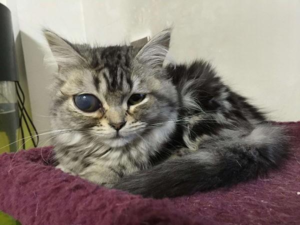
Why Does My Cat Have Something Clear in Its Eye?
A clear or cloudy film over a cat's eye is not normal and often points to glaucoma, cataracts or keratitis. Once an eye condition is confirmed, prompt veterinary treatment protects the cat's sight. Early exams and clean, careful home care make the difference.

Why Is My Cat’s Belly Making Noise?
Gurgling or rumbling from a cat's stomach is usually normal gut motility, but frequent or loud noise can signal digestive trouble. It often precedes diarrhea and may point to a chill, stress, diet change, parasites or unbalanced gut flora. Watch for accompanying signs and adjust diet or seek care as needed.

Cat Has Had Yellow Nasal Discharge for Six Months
Persistent yellow nasal discharge in cats usually points to a chronic upper-respiratory infection such as feline viral rhinotracheitis, or less commonly pneumonia. When the symptom has lasted six months, the condition is well established and needs a proper veterinary work-up rather than guesswork. Supportive home care can ease discomfort, but lasting or recurring discharge warrants diagnostic testing.

How Much Does It Cost to Keep a Cat Each Month? (Owners Say: Not Much)
Counter to the myth that cats are pricey, owners and a vet agree a healthy cat costs little — roughly $15–45 a month for food, litter, and basics. The real budget-breaker is illness, which can hit $140 or more in a single visit.