Search Results
1413 results for “healthy cat”

How to Care for Your Cat in Winter
Cats feel the cold more than their fluffy looks suggest. Warm, safe bedding, careful heating, steady nutrition, and a little extra grooming keep your cat healthy through the winter — and so do the stray cats sheltering by your car.

How to Care for Your Cat’s Nose in Dry Winter
Winter's dry air cracks and chaps a cat's nose, so add humidity, ease outdoor trips, and keep nutrition balanced. A persistently dry, hot nose with fever needs a vet.

Autumn Care Tips for Your Cat
Autumn raises three risks for cats: skin trouble from dampness, hairballs during shedding, and weak coats from poor nutrition. Good ventilation, grooming, supplements, and extra water keep your cat healthy through the fall.

How to Lower Your Cat’s Risk of Gastroenteritis
Cat gastroenteritis brings vomiting, diarrhea, and lethargy, and the causing virus can linger in the environment for a year. Vaccination plus careful diet and hygiene is the strongest defense.
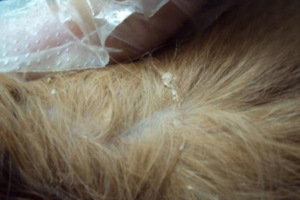
Is Matted Cat Fur a Sign of Skin Disease
Matted fur isn't automatically a skin disease; often it just means the coat wasn't brushed. But mats trap moisture and oil, creating a breeding ground for infection, and ringworm or an old wound can also cause clumping. Regular grooming and the right ringworm care keep the skin healthy.
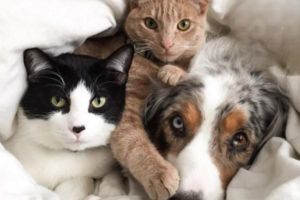
What to Do After Adopting a Cat or Dog
Adopting gives a stray a home and saves the cost of buying. Once you bring one home, the first steps are a full health check, deworming, good nutrition, and gut care, since strays arrive with unknown histories. Commit for life rather than on a whim.
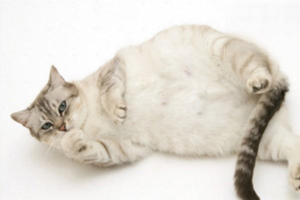
Helping Your Pregnant Cat Through a Safe Pregnancy
Many owners have never dealt with a pregnancy, so a pregnant cat can be puzzling. The essentials are steady calcium, a quiet space, gentle movement, careful handling, and balanced nutrition. Getting these right helps the queen and her kittens stay healthy.
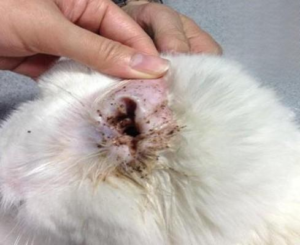
Cat Ear Mites
Ear mites are a common cat skin problem, often triggered by environment or outside factors. They leave greasy, smelly, itchy debris in the ear that needs prompt cleaning and treatment. Regular ear and bedding hygiene keeps them from coming back.

Cat Suddenly Stopped Eating and Looks Lethargic
When a cat refuses food, loses energy, and wastes away for three to five days, the gut is usually involved. Hairballs, overeating, parasites, or gastritis are common culprits. A bland, scheduled diet and the right supplement often bring the appetite back.

How Dogs Catch Parvovirus
Canine parvovirus is a highly contagious gut disease of dogs, especially puppies, causing vomiting, diarrhea, dehydration, and sometimes death. It spreads through infected waste and saliva and survives in the environment for months. Vaccination and quick vet care are key.