Search Results
1413 results for “healthy cat”
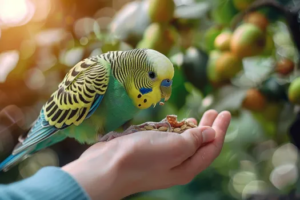
What to Do When Your Parrot Gets Parasites in Summer? Should You Deworm It?
Parrot keeping is increasingly common, but illness is inevitable along the way, and parasitic disease is one of the more frequent problems. Today our team introduces common parrot parasitic diseases and their treatments, so you can learn in advance and avoid panic when your bird falls ill.
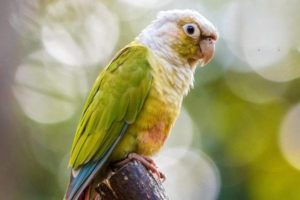
What to Do When a Parrot Is Egg-Bound?
Egg-binding is not rare, even in previously healthy layers. Handle it promptly or the parrot may die. Our team shares solutions.

Favorable Conditions for Arowana Coloration
Good arowana color rests on five pillars: a pure bloodline, stable and clean water, a dark yet well-lit tank with combined top and side lighting, varied and nutritious feeding, and a balance of slow and fast growth. Patience is essential, because coloration is a long, gradual process.

How to Treat Popeye in Arowana
Arowana popeye needs treatment matched to its cause - bad water, drugs, light, diet, pH, or low oxygen. Learn the targeted fixes and the medication course.
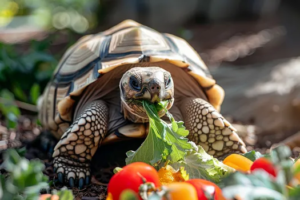
How to Prevent and Treat White Eye Disease in Turtles
White eye disease is a common turtle illness that causes eye inflammation, swelling, and a white film over the eyes, and can stop the turtle eating and even prove fatal. Keep the enclosure water clean and well-aerated, treat mild cases with antibiotic eye ointment, and use injections for severe infections.

Common Arowana Eye Problems
An arowana's eyes reveal its health. Know the three common issues - drop-eye, popeye, and cloudy eye - and how lighting and water quality cause and fix them.

Why Do Rabbits Grind Their Teeth (and How to Manage It)?
A rabbit's teeth never stop growing, so constant chewing is natural, but overgrown teeth cause pain, eating trouble, and even eye or ear infections. Provide chew toys and hard pelleted feed, and have a vet trim teeth that grow too long.

Common Questions About Turtle Colds
Turtle colds are treated early with antivirals, vitamins and rest; mild cases can self-heal but severe ones need medication. Symptoms include weeping eyes, runny nose, bubbles at the nose and lethargy, and may become pneumonia with open-mouth breathing. Prevent by good water quality, stable temperature and isolation.

Prevention and Treatment of Colds in Turtles
A turtle cold can progress to pneumonia, which is far more dangerous, so treat it promptly and watch for pneumonia signs. Isolate the sick turtle, keep the enclosure at about 30°C, and use antibiotic baths (e.g., cephalexin) or amoxicillin by weight; prevention focuses on good water quality and strong immunity.

Why Is Your Blood Parrot Lying on the Tank Bottom?
A blood parrot resting on the tank floor can be normal (just napping), but it can also signal saprolegniasis or swim-bladder disorder. Rule out disease by checking water quality and behavior; treat fungus with isolation and salt baths, and swim-bladder issues with warmer water and regular changes.