Search Results
71 results for “health guarantee”
How many kittens can one cat have?
A cat has 1 to 8 kittens per litter, averaging 3 to 6. With 2 litters a year that's about 10; over a breeding life from age 1 to 6 she can have at least 30. Don't breed too often — it strains the mother and risks the kittens.

Common Myths About Dog Vaccinations
Myths: 'indoors dogs need no vaccine,' 'one shot lasts forever,' 'vaccines prevent all disease,' 'I can mail-order and self-inject.' In truth, viruses come home on shoes and visitors, puppies need a 4-shot series, and annual boosters are needed. Use a licensed clinic — never self-vaccinate.
Don’t Get Fooled by ‘Trendy’ Dog Food — How to Avoid the Bad Stuff
Avoid foods whose first ingredients are vague 'meat meal', 'animal by-products', or 'meat extract' — these can be untraceable and low in usable protein. Also skip artificial colors, flavors, and risky preservatives like BHA, BHT, and ethoxyquin, and check for a verifiable third-party test report.
FVRCP Vaccine vs. Meow San Duo — What’s the Difference?
FVRCP is the vaccine class; Meow San Duo is one product in it — like 'fruit' vs 'apple.' FVRCP protects against panleukopenia (feline distemper), viral rhinotracheitis (cat flu), and calicivirus; any vaccine covering all three earns the name. Meow San Duo is the long-standing imported inactivated FVRCP, so many owners use the name for the whole class, but domestic options now exist. Vaccinate at a licensed clinic on schedule (kittens at 8, 12, 16 weeks, then boosters), deworm first, and watch for reactions; even indoor cats need it.

Should You Test Antibodies After Vaccinating Your Cat?
Antibody testing after vaccination confirms the vaccine worked. A normal titer sits between S3 and S5; below S3 means the cat is not protected and needs a booster. Test about 15 days after the final shot, and avoid baths or outings right after vaccination.

CoQ10 for Cats: How to Choose and Use It
Cats enter old age after 7, when heart disease affects a large share of the population, and their own CoQ10 production falls below half of youth levels. For breeds prone to hypertrophic cardiomyopathy, veterinary-guided CoQ10 is common supportive care. This guide explains why cats need CoQ10, the market pitfalls to avoid—false potency, conceptual add-ons, and fake credentials—and the three basics of choosing a product, plus feeding rules and cautions. CoQ10 supports care but never replaces prescribed heart medication.

CoQ10 for Senior Pets with Early Heart Enlargement: What Owners Should Know
Cardiac enlargement in senior dogs and cats is not a single disease but a compensatory change—thickened heart muscle—that often appears with valve disease or cardiomyopathy. Under the ACVIM system, Stage B (split into B1 and B2) means structural changes are visible on X-ray or exam, yet the pet shows no obvious heart-failure signs, making it the ideal window for early support. CoQ10, a fat-soluble compound naturally made in heart cells, powers mitochondrial energy production and shields tissue from oxidative damage. Because endogenous CoQ10 falls sharply with age, supplementation is one of the most studied, low-cost veterinary adjuncts for cardiac care. This article explains Stage B heart enlargement, why CoQ10 helps, how to choose a transparently labeled pet-specific supplement, and the daily diet, exercise, and recheck habits that protect an aging heart.

Import or Domestic Dog Dewormer? What Actually Matters
When choosing a dog dewormer, a high price tag doesn't guarantee the right fit. The real differentiators are the purity of the active ingredient, the safety of the solvent, and transdermal absorption technology—not the country of origin. Look at the approval number, concentration, and labeled indications, and pick a product your dog's body tolerates and you can use consistently.
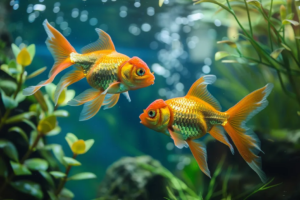
How to Feed Goldfish a Balanced Diet
Goldfish are omnivores that eat both plant and animal foods, so a sensible diet mixes the two. Offer finely chopped veggies and fruit—carrot, cucumber, apple—for vitamins and fiber, plus small live or frozen foods like daphnia, bloodworms, and brine shrimp for protein. Feed a quality goldfish pellet as the staple, twice daily in amounts finished within 10 minutes, and keep the water clean, oxygenated, and planted with greenery. A varied, measured diet, with the occasional live-food treat, is the recipe for healthy, vibrant goldfish.

CoQ10 for Dogs: Why It Matters for Your Pet’s Heart
As dogs age, heart function naturally declines, and heart disease is especially common in small breeds. Coenzyme Q10 (CoQ10) is a nutrient that helps power heart-muscle cells and protects them from oxidative damage, which is why it is widely used to support cardiac health in senior pets. Yet the supplement market is uneven—many products overstate or never verify their CoQ10 content. This guide explains what CoQ10 does for your dog's heart, how to choose a supplement with genuinely usable CoQ10, and what the current evidence says, so you can make a confident, informed choice.