Search Results
8 results for “hamster yellow urine”

Why Is a Hamster’s Urine Yellow?
Healthy hamster urine is pale yellow; dark yellow signals a problem. Take it seriously. Here is why it happens.
What if a hamster’s urine is yellow?
Hamster urine is normally pale yellow; darker urine usually means low water intake, so add water and some fruit and vegetables for vitamins to avoid heat. Watch 1 to 2 days; if it persists, there may be a urinary infection. Try enrofloxacin at 0.25 mg per hamster, never overdose to avoid poisoning.

Why Do Hamsters Get Diarrhea?
During the process of raising hamsters, the situation of hamsters having diarrhea may appear, which also gives owners a headache. Today we tell you why hamsters get diarrhea.
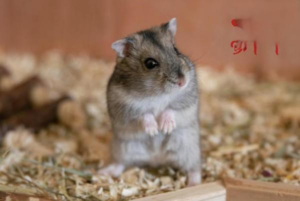
Treating Hamster Urine Calcium (Calciuria)
Milky or chalky urine can mean excess calcium, but in teddy bears it's often normal. This guide explains the real signs of calciuria, its causes, and the diet fix.
Bought 4 days ago; yesterday cagemate (purple rat) died; today food untouched, won’t eat; butt area yellow; no obvious diarrhea; changed bedding (corncob); sprayed new dewormer; today one eye crusted shut, I softened it but still hard around. Help.
Yellow butt isn't always wet tail; could be incontinence staining from heat. If lethargic, anorexic, with diarrhea and wet butt, likely wet tail. Untreated wet tail is rapidly fatal - get to a vet.
Possibly wet-tail disease, but no diarrhea; tail is a bit wet and yellow.
A wet yellow tail is often environmental — urine staining from contact with waste; add a litter area and clean often. Or 'heat' makes yellow urine. Clean and keep dry; if lethargy or diarrhea follows, it may be wet tail — treat promptly.
What Color Is a Hamster’s Urine?
A hamster's urine is generally clear or pale yellow. If the hamster takes in excess calcium or protein that it cannot absorb, calcium deposits may appear, turning the urine milky white. When a hamster consumes more calcium or protein than it can absorb, the excess is excreted in the urine. In addition, urinary or reproductive tract diseases can also change urine color. If the abnormality persists, consult a vet.

Pudding Hamster
The Pudding Hamster is a popular pet variety named for its pudding-yellow coat. Gentle and easy to handle, it is heat-sensitive, territorial, and can nip — so wash your hands before handling and never co-house it. It lives 1–3 years and needs steady 20–28°C and careful, chew-safe feeding.