Search Results
26 results for “hamster cold”

Common Illnesses in Golden Hamsters
Golden hamsters commonly face skin allergies, colds, diarrhea, constipation, and eye trouble such as conjunctivitis, mostly linked to diet and environment. To lower the risk, manage food and housing carefully, keep nutrition complete and safe, and maintain a clean, dry habitat.
What to Do When a Hamster Is Weak and Lethargic
A usually lively hamster that suddenly turns weak and listless is signaling a problem worth watching. Causes range from illness such as a chill, gastroenteritis, dental trouble, or poor nutrition, to an unhappy environment that is too cold, humid, or noisy, to stress from bullying by other pets or a sudden move, and to a dull diet lacking key nutrients that lowers overall condition. Help it by improving the home: keep it clean, quiet, and comfortable with limited light and noise and add toys and climbs for enrichment. Offer fresh food and water and clear leftovers so it never eats spoiled food, and broaden the diet with vegetables, fruit, and mealworms for full protein, vitamins, and minerals alongside the base mix. If the weakness lingers, see a vet to find and treat any underlying disease. Tackle habits, diet, environment, and stress together for the best recovery.

When Should You Wean Baby Hamsters?
Hamsters usually begin weaning at about 3 to 4 weeks, though the best timing varies with the individual. You can tell they are ready when they start eating solid food on their own, leave the nest more often, and the mother begins to refuse nursing. After weaning, feed a high-quality young-hamster mix with hay, oats, or millet as supplements, plus small amounts of chopped vegetables and fruit and constant fresh water. Separate the pups into their own cages, feed little and often, keep the cage clean, and maintain a warm, safe environment.

Common Diseases in Hamsters
Hamsters face several common diseases, including tumors, respiratory conditions, digestive problems, skin issues, and dental trouble. Some are easy to prevent, for example by offering chew tools so teeth stay the right length, which lowers the chance of dental disease. To protect your hamster, take preventive measures early, watch its behavior and symptoms closely, and visit a veterinary clinic promptly if anything seems wrong.
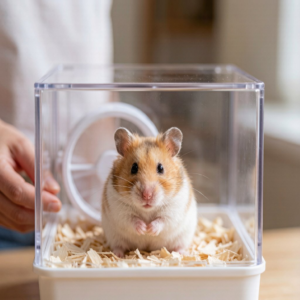
Essential Hamster Care: What Every Owner Should Know
Keeping a hamster healthy and extending its lifespan depends above all on proper husbandry. Before bringing a hamster home, owners should prepare a spacious cage with suitable bedding, a food bowl, a water bottle, and an exercise wheel, then keep the enclosure clean and disinfected on a regular schedule. A balanced diet built around a high-quality hamster mix, supplemented with small amounts of fruit and vegetables, and constant access to fresh, safe drinking water are equally important. This guide covers the fundamentals of scientific hamster care: building a comfortable habitat, providing nutritious food and clean water, maintaining a tidy living space, encouraging daily exercise, reducing stress, and managing temperature through the seasons. With the right setup and routine, even first-time owners can help their pet thrive.
What to Do If Your Hamster Falls in Water
Hamsters are fragile and easily terrified, so falling in water is an emergency. They may panic, catch a chill and fall ill, or even drown. Act fast: lift the hamster out calmly, check and gently blot water from its nose and mouth so it can't choke, then lightly press its belly to help expel water. Dry and warm it—pat with a towel and use a hairdryer on low—and keep it cozy while you watch its breathing and heartbeat. If it does not recover, rush it to a vet. Staying calm and gentle is the best thing you can do.
Why Does My Hamster Twitch While Sleeping?
A sleeping hamster is usually still, so little twitches and jerks can worry a new owner. Most of the time the cause is harmless: muscles still settling after play, a vivid dream, nervousness in a new home, or simply feeling cold. Only when twitching pairs with other signs of illness should you worry. The fix is usually comfort and warmth rather than medicine. This guide explains the common reasons a hamster shakes in its sleep and what you can do to help it relax.

Summer Care Tips for Hamsters
Hamsters have weak immunity and get sick easily with temperature swings, so summer care must cool them without letting them catch cold. Place the cage in a shady, airy spot with cooling mats, and if you use air conditioning keep it around 27°C with paper cotton for warmth, or use a fan that does not blow directly on the pet. Keep the diet light: normal hamster mix plus cooling foods like mung beans, watermelon, cucumber, or a little chamomile water, and always provide fresh water changed daily. Clean the cage and change bedding twice a week to limit bacteria.

How to Prevent Heatstroke in Hamsters During Summer
All hamsters hate heat, so in summer, without proper cooling, they can quickly suffer heatstroke. Early signs are frantic running, excitement, and jumping; as it worsens, tremors, dehydration, and coma follow, and death can come fast without prompt first aid. Move the cage to a cool, airy spot, give plenty of water, and act at the first sign by cooling the environment and offering electrolyte fluid. Prevention means ventilation, constant fresh water, cooling tiles, and light, hydrating foods like cucumber and watermelon.

Syrian Hamster
The Syrian hamster (Mesocricetus auratus), also called the golden hamster or 'pearl bear', is a hamster from Asia and the first species kept as a pet. Docile and easy to breed, it lives 2 to 3 years with good care and comes in over 40 color varieties.
- « Previous
- 1
- 2
- 3
- Next »