Search Results
47 results for “hamster cage”
How Does a Too-Small Cage Affect a Hamster?
A cage that's too small harms a hamster's physical and mental health. Even though hamsters are tiny, they're active and need room to run, climb, and explore; cramped quarters limit exercise, risking weak muscles and stiff joints, obesity, and anxiety or depression. A small cage also can't hold the essentials—food, water, sleep area, and toys—hurting quality of life, and a stressed hamster may bite the bars and disturb your rest. The fix: a spacious cage with a wheel and all essentials, regular cleaning, and daily free-roam time outside the cage so your hamster stays fit and calm.
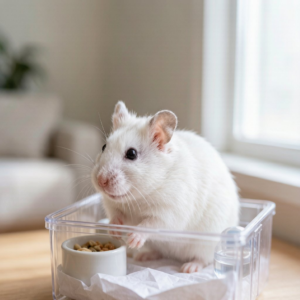
White Bear Hamster: Traits and Care
The White Bear hamster is a type of Teddy Bear hamster with snow-white fur and black or red eyes. Many in the "line" group have a short temper, so they are not ideal for first-time owners. Patience and gentle hand-feeding help them bond. They are nocturnal, timid, and prefer hiding, and do best around 27 C. Because they gain weight easily, a balanced diet keeps obesity and its related diseases at bay.
Can Hamsters Carry Parasites on Their Bodies?
Hamsters can indeed pick up parasites such as lice, ticks, and fleas, though infection is not common and depends heavily on their living environment and overall health. These parasites can spread through food, water, or bedding and may cause loss of appetite, weight loss, a dull coat, and itching. Because parasites can also pass to owners, prevention matters. Keep the cage clean and dry, disinfect regularly, feed fresh food and water, schedule vet checkups and deworming, and wash your hands before handling. If an infection occurs, consult a vet promptly, follow the prescribed treatment, disinfect the enclosure, and treat all hamsters in the home to stop the spread.
How to Treat Hair Loss Behind a Hamster’s Ears
Hair loss behind a hamster's ears can come from allergies, bacterial infection, or parasites. Trim the fur around the spot, rinse it with saline, pat dry, and apply a small-pet skin cream or antibiotic ointment, watching for 3 to 5 days. If it does not improve, see a vet. Keep the cage clean and disinfect it often, and add vitamins and protein to aid recovery.
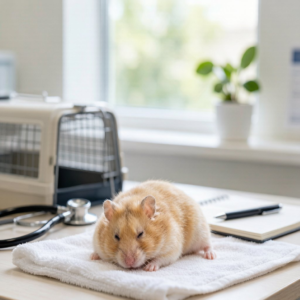
Common Illnesses in Golden Hamsters
Golden hamsters commonly face skin allergies, colds, diarrhea, constipation, and eye trouble such as conjunctivitis, mostly linked to diet and environment. To lower the risk, manage food and housing carefully, keep nutrition complete and safe, and maintain a clean, dry habitat.

Preparing for Hamster Breeding
Hamsters breed fast, reaching sexual maturity at 2-3 months with pregnancies of 15-22 days and 5-8 pups typical. To breed successfully at home, start with healthy animals and a safe, warm, humid, well-ventilated nest box placed in a quiet, dim spot, and build them up with good nutrition and a supplement a week before pairing. Once paired, separate the male immediately since the female will not mate again but the male stays ready. Keep the mother calm and well-fed, and after birth avoid disturbing the nest, keep pups warm, restore the mother's strength, and split the young into their own cages at one month.

Treating a Hamster Injured in a Fight
Hamsters are fiercely territorial and often fight when housed together. After a fight, check the wound closely. Minor injuries can be treated at home: clean with saline, disinfect with iodine, and apply a safe ointment such as chlortetracycline eye ointment or Yunnan Baiyao, while keeping the injured hamster alone in a calm space. For heavy bleeding, large, or deep wounds, disinfect and bandage, then see a veterinarian. Separate the injured hamster at once and watch for any worsening; seek professional care if it does not improve.

What to Do When Your Hamster Has Skin Disease
Hamsters can develop several skin problems, each with its own signs: mange mites cause hair loss, itching, redness, and ulcers; fleas, ticks, or larvae bring itching and wounds; ringworm shows as red, scaly, circular patches; bacteria cause inflammation, ulcers, and swelling; and allergies appear as red, itchy, inflamed skin. Any skin issue warrants a veterinary diagnosis and a targeted treatment plan. Keeping the cage clean and dry, offering regular sand baths, and feeding a varied, nutritious diet all help prevent problems and support the immune system.
What to Do When a Hamster Is Weak and Lethargic
A usually lively hamster that suddenly turns weak and listless is signaling a problem worth watching. Causes range from illness such as a chill, gastroenteritis, dental trouble, or poor nutrition, to an unhappy environment that is too cold, humid, or noisy, to stress from bullying by other pets or a sudden move, and to a dull diet lacking key nutrients that lowers overall condition. Help it by improving the home: keep it clean, quiet, and comfortable with limited light and noise and add toys and climbs for enrichment. Offer fresh food and water and clear leftovers so it never eats spoiled food, and broaden the diet with vegetables, fruit, and mealworms for full protein, vitamins, and minerals alongside the base mix. If the weakness lingers, see a vet to find and treat any underlying disease. Tackle habits, diet, environment, and stress together for the best recovery.

The Effects of Hamster Inbreeding
Inbreeding hamsters is risky: it raises the chance of inherited disease and genetic defects, lowers genetic diversity so offspring get sick more often, and tends to produce weaker, less intelligent pups with higher death rates and reduced fertility. The main reason breeders do it is to lock in a pure bloodline, but the uncertainty is high. For home keepers, the safe choice is to avoid inbreeding entirely, separate males and females into different cages, and if you do plan a litter, pick two healthy, unrelated hamsters and breed them between 5 and 10 months of age.