Search Results
88 results for “hamster birth”
Signs That a Hamster Is Pregnant
Knowing whether your hamster is pregnant helps you care for her and prepare for pups. Around days 15 to 20 the belly visibly swells as the fetuses grow, and by days 20 to 25 clear mammary bumps appear, the so-called 'double button,' often with early milk. Appetite rises because she needs more nutrition, while the heavier belly reduces her activity and she may seem lazy, which is normal. In late pregnancy she shows nesting behavior, tidying the nest for the babies. Support her with rich, varied food such as hamster mix, mealworms, vegetables, and fruit, plus pregnancy supplements like protein and vitamins, keep the nest clean with stable, comfortable temperatures, watch her body and mammary development, and set up a warm, dry, roomy birthing box in advance. After birth, monitor the pups' growth and nursing so any problem is caught early.
What Season Is Best for Breeding Hamsters?
Indoor pet hamsters can technically breed year-round with the right care, but spring and autumn are best for success and healthy pups. Both seasons have mild temperatures and plentiful, nutritious food, and females come into heat more readily. To breed, start with healthy adults of the right age, set up a roomy, warm, well-supplied cage, and pair them once the female shows clear courtship signs like squeaking or a raised tail. Avoid inbreeding, respect age limits (females around 3 months, males around 4), keep the cage clean and warm through the 6–10 day cycle, and after birth watch nursing, clean regularly, and split the pups into separate cages as they grow.
Winter White Dwarf Hamster
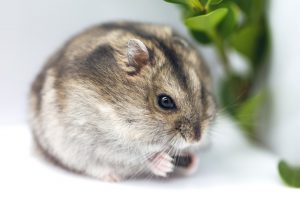
The Winter White Dwarf Hamster (Phodopus sungorus), also called the Djungarian hamster or Russian dwarf, is the easiest and tamest of the small hamsters and turns white in winter. A solitary species, it needs a safe cage, a wheel, and a careful diet free of onion, chocolate, and apple seeds. Lifespan 2–3 years.
When does a pudding hamster change color?
Generally, a pudding hamster changes color noticeably around 2 months after birth, but this does not mean its coat color is fixed. Coat color is also affected by age and season and may still change. In winter, the coat may turn white, then gradually return to its original color as weather warms.

Benefits of Keeping a Gerbil
Gerbils differ from hamsters and offer real upsides — low odor, social bonding, and helpful fathers. This guide covers their traits and what their care needs.

Long-Haired Curly Guinea Pig
The Long-Haired Curly Guinea Pig, also known as the long-curly-haired cavy, is a rare and distinctive guinea pig variety native to Peru and Brazil. With its unique curly long coat and gentle nature, it makes a beloved small pet, though its coat requires regular grooming to prevent matting.
Not sure if it is pregnant.
Pregnant hamsters show these traits: nesting, fighting, hoarding food, drinking more, a pear-shaped body and a 'double-button' belly. Details: first, a female kept with a male may suddenly attack the male, suggesting pregnancy.

Standard Gray Chinchilla
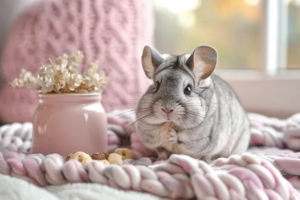
The Standard Gray Chinchilla — the original 'Totoro' — is a vegetarian rodent from the high Andes of South America. Gentle, clean, nearly odorless and long-lived (8–10 years), it needs a cage, dust baths, constant chewing material, and careful protection from heatstroke.
- « Previous
- 1
- …
- 7
- 8
- 9