Search Results
174 results for “hairball disease”
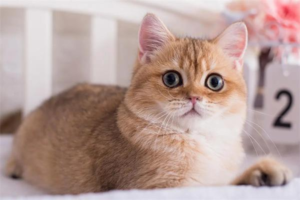
How Long Does a Cat’s Autumn Shedding Last?
Autumn shedding starts in fall and can last weeks to months as a cat grows its winter coat. Brush daily, clean the home, feed coat-supporting nutrition, and watch for skin problems.

Why Are Hamsters More Prone to Constipation in Winter?
Winter makes hamsters prone to constipation through dry air, less exercise, and a dislike of cold water. Keep the cage humid, offer warm water and more vegetables, and see a vet if symptoms appear.
My cat regurgitates the food it eats and is listless.
Not eating with vomiting has many causes: dietary indiscretion, foreign body obstruction, hairballs, panleukopenia, or poisoning and organ disease. Probiotics may help mild cases, but persistent or severe signs need a vet.

Why Is My Cat Dry-Heaving but Not Vomiting?
Dry heaving can come from hairballs, a throat or gut blockage, stomach illness, liver disease, food allergy, or parasites. An occasional gag may be minor, but frequent or lasting heaves need a vet; give hairball paste if fur is in the vomit.
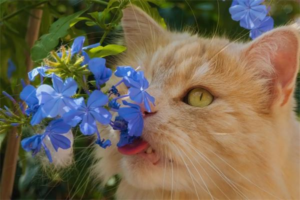
Why Are Cats Prone to Gastritis?
Gastritis in cats can be triggered by spoiled or hard-to-digest food, overeating, drug errors, bacterial infection, foreign bodies, or stress. Feed high-quality, balanced food in sensible amounts and keep the environment and bowls clean to prevent it.
Why does my cat have a poor appetite?
Poor appetite can be indigestion, stress, gut upset, hairballs, or pickiness. Overeating/spoiled food, new-environment insecurity, worms, hair in the gut, gastritis/pancreatitis, or boredom with one food all fit. Try probiotics; with vomiting/diarrhea, see a vet.
Why does my cat keep twitching like it’s hiccupping?
A cat that twitches like hiccupping may have eaten too fast or has food stuck in the esophagus - it usually passes as the food goes down. It can also come from excess stomach acid, bloating, food buildup, slow gut movement or reflux esophagitis. If twitching is followed by regurgitation or vomiting, see a vet for possible esophagitis, pyloric stenosis or GI disease. Frequent twitching without vomiting may point to allergic asthma, chronic bronchitis, pneumonia or heart issues. Hairballs trying to come up cause this too - give hairball paste or cat grass regularly.
When is a dog’s shedding season?
Dogs usually shed in spring (March-April) and autumn (September-October). During these times brush and clean up loose fur daily to stop the dog swallowing too much and getting hairballs. Heavy shedding then is normal, but heavy shedding outside the season likely signals a health problem, often skin disease — see a vet. Keep the diet light, avoid greasy, salty food to prevent abnormal shedding.
How Much Water Does a Cat Need Each Day? Even a Little Less Is a Risk
A cat needs about 40–60 ml of water per kg of body weight daily — roughly 200–300 ml for a 5 kg cat. That total includes water from food: dry food is only 5–10% moisture while wet food and fresh diets are 70–80%. Pregnant/nursing mothers need +50%, kittens (3–6 months) 60–80 ml/kg, and hot, dry, or active conditions call for +20–30%. Chronic shortfalls raise the risk of urinary crystals, kidney disease, and constipation.
What medicine should I give a cat that is vomiting?
Cat vomiting can be caused by hairballs, internal parasites, gastroenteritis, pancreatitis or feline distemper, so do not give medicine at random before the cause is known. If the cat is otherwise normal and the vomit contains hair or threads, try hairball paste and observe. If there is no improvement, withhold food and water for half a day, then give pet anti-inflammatory and anti-vomiting medication.